

Hair Transplant Scabbing Healing Process: The Day-by-Day Biology Guide
Introduction: Why Understanding the Biology of Scabbing Changes Everything
Most patients who undergo a hair transplant experience a moment of alarm when they first see their scalp covered in scabs. The instinct is understandable: the appearance can seem concerning, even alarming. Yet scabs are not a complication. They represent a precise biological defense mechanism that the body deploys to protect newly transplanted follicles during their most vulnerable period.
This guide delivers what most resources fail to provide: a day-by-day, cellular-level explanation of the hair transplant scabbing healing process. Every restriction, every washing instruction, and every timeline milestone exists for a specific biological reason. Understanding that rationale transforms compliance from blind obligation into informed participation.
The emotional reality deserves acknowledgment. Scabbing anxiety ranks among the most common post-operative concerns patients report. Scientific literacy serves as the most effective antidote to that fear. Research indicates that patients who follow structured aftercare protocols achieve up to 29% higher hair density at six months compared to those with poor compliance. That statistic alone makes understanding the biology a worthwhile investment.
This guide covers territory that generic timelines overlook: FUE versus FUT donor-area differences, the most damaging myths debunked with science, skin-type variations, and clear warning signs that warrant immediate surgeon contact.
The Biology of a Hair Transplant Wound: What to Know Before Day 1
A hair transplant creates hundreds to thousands of micro-wounds across both the recipient and donor areas. Each graft site involves placing a follicular unit below the skin surface. The scab that forms sits above it, at the epidermal level only.
Four classical phases of wound healing govern what happens next:
- Hemostasis (immediate): Blood clotting and fibrin mesh formation
- Inflammation (Days 1 through 4): Immune response and debris clearance
- Proliferation (Days 4 through 14): Collagen synthesis and tissue rebuilding
- Remodeling (Weeks 2 through 18 months): Tissue maturation and final results
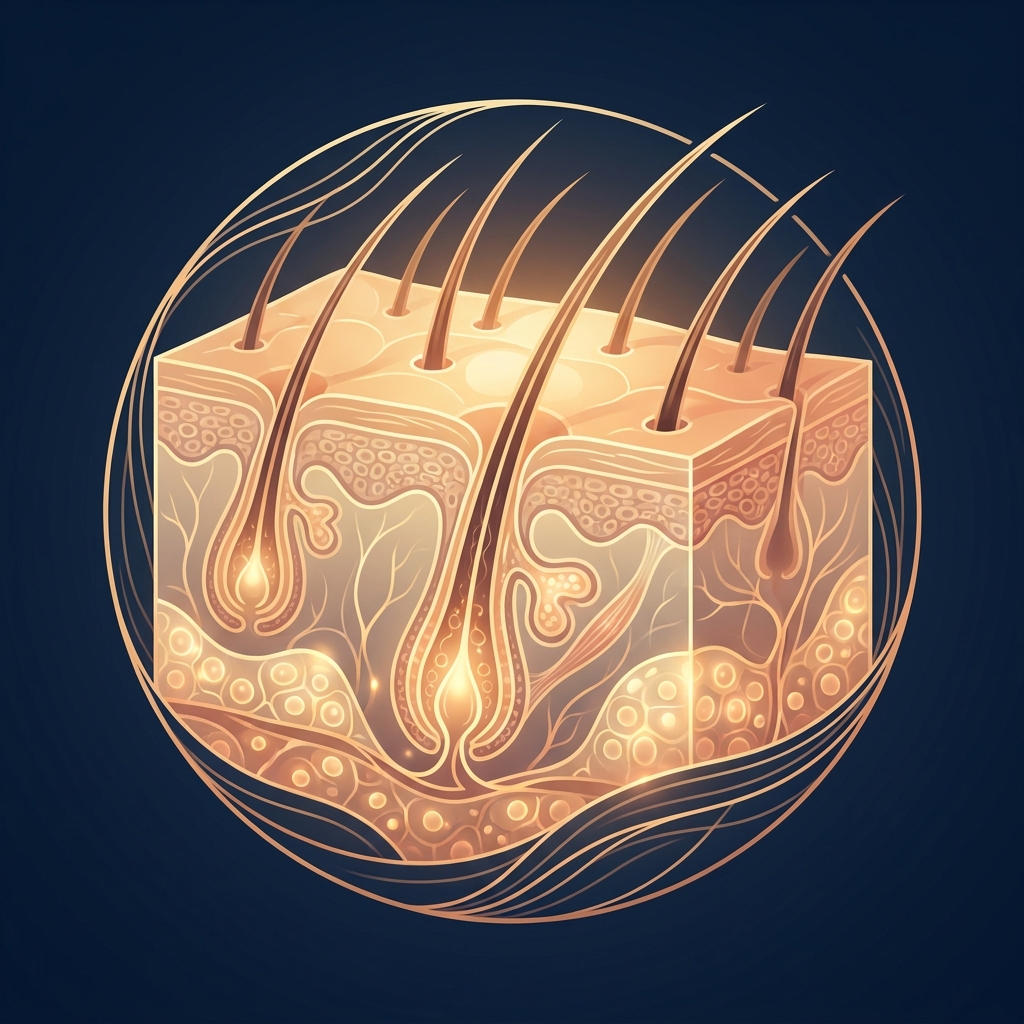
The critical distinction that underpins every myth about scabbing is anatomical: the graft (the living follicle) is a sub-epidermal structure, while the scab is a surface-layer crust composed of dried plasma, fibrin, and blood. They occupy different tissue layers entirely.
Fibrin functions as the body’s natural biological glue. Within minutes of graft placement, fibrin begins forming a protein scaffold over each site. This scaffold becomes the structural base of every scab. Scab formation is universal across FUE, FUT, and DHI procedures; the differences between techniques manifest in the donor area, not the recipient area.
The Day-by-Day Hair Transplant Scabbing Healing Process: Hours 0 Through Day 14
This section provides a detailed, biology-first breakdown of the scabbing timeline. Understanding each day’s biology makes each restriction logical rather than arbitrary.
Hours 0 Through 24: Hemostasis and the Birth of the Scab
Hemostasis begins within seconds of graft placement. Platelets aggregate at each micro-wound, triggering the clotting cascade. The body weaves a fibrin mesh over each graft site, creating the structural foundation of what will become visible scabs.
Patients typically observe slight redness, pinpoint bleeding spots, and a thin crust beginning to form around each graft site.
Why elevation matters biologically: Sleeping at 45 degrees reduces hydrostatic pressure in scalp capillaries, limiting edema that could physically displace grafts before fibrin anchoring completes.
Why no washing for the first 24 to 48 hours: Disrupting the nascent fibrin mesh before it polymerizes risks graft dislodgement. This window represents the most mechanically vulnerable period.
Why no alcohol, smoking, or strenuous exercise: Vasodilation and elevated blood pressure increase bleeding risk and disrupt clot formation at graft sites.
Days 1 Through 3: Inflammation Phase and Immune System Activation
The inflammatory phase brings neutrophils and macrophages flooding into wound sites. These cells clear cellular debris and initiate tissue repair. Redness and mild swelling are expected, healthy signs of this process.
Fibrin crusts thicken as serum continues to dry. Scabs become more visible and may feel tight or itchy as nerve endings respond to inflammatory mediators. Itching occurs because of histamine release from mast cells. Scratching remains the most dangerous response at this stage.
Introduction of washing (typically Day 3): The 72-hour window allows fibrin to polymerize sufficiently to anchor grafts against gentle water flow, while scabs remain soft enough to begin gradual softening.
Correct washing technique biology: Lukewarm water (not hot, which causes vasodilation and increases edema), diluted sulfate-free or baby shampoo (sulfates strip the lipid barrier around healing tissue), and fingertip-only circular motion (no nails, as nail pressure creates point-force sufficient to dislodge a graft).
Patients may observe scabs that are pink-to-red, slightly raised, and may have a yellowish tinge from dried serum. This appearance is normal and not indicative of infection.
Days 4 Through 6: Proliferation Begins and Collagen Lays the Foundation
The proliferative phase activates fibroblasts, which begin synthesizing collagen to rebuild the dermal matrix around each graft. Angiogenesis (new capillary formation) begins re-vascularizing the follicle.
By Days 5 through 6, early collagen deposition starts mechanically stabilizing grafts. The danger window is narrowing but not closed.
Scabs reach near-peak thickness and coverage. The scalp may look its worst cosmetically at this stage. This appearance reflects peak healing activity, not a problem.
Why continued gentle washing matters: Softening scabs gradually prevents them from hardening into thick crusts that could exert traction on the follicle when they eventually shed.
Why direct sun exposure must be avoided: UV radiation triggers inflammatory cytokines in healing tissue, potentially disrupting collagen synthesis and causing hyperpigmentation around graft sites.
Scab thickness varies by individual skin type, graft density, and surgical technique. Thicker scabs do not indicate poor healing.
Days 7 Through 10: Peak Anchoring and the Beginning of Scab Shedding
Days 7 through 10 mark a critical milestone. Grafts become securely anchored as collagen cross-linking matures and new vasculature connects to the follicle base. Graft survival is now largely determined.
Scab shedding begins as the epidermis regenerates beneath the scab through re-epithelialization. The scab loses its biological function and starts loosening naturally.
The cellular mechanism of natural scab separation: Keratinocytes migrate beneath the scab, secreting enzymes that dissolve the fibrin attachment. The scab is pushed off from below, not pulled off from above.
Addressing a common patient concern: When a scab falls off with a hair attached, the hair shaft is the visible portion only. The living follicular root remains anchored in the dermis. This represents normal effluvium, not graft loss.
By Day 7, gentle circular massage during washing can be performed with slightly more confidence. The goal is assisting the natural shedding process, not accelerating it forcibly.
Patients typically observe scabs beginning to flake at the edges, with some falling off during washing. This is the desired outcome.
Days 11 Through 14: Scab Clearance and the Transition to Remodeling
Most patients are scab-free by Day 14 with consistent, proper washing. This benchmark represents clinical success.
Beneath the now-clear skin, the remodeling phase begins. Collagen fibers reorganize, and the follicle enters a brief resting (telogen) phase before initiating new growth.
Shock loss (telogen effluvium): Transplanted hair shafts begin shedding in weeks 2 through 4 and can continue for up to 3 months. This is a normal physiological response to surgical trauma, not graft failure. The follicle remains alive beneath the scalp. Research published in PMC indicates scalp hair graft survival rates of approximately 89% at one year, with anagen effluvium of approximately 40% in the first two months.
From Day 14, normal washing routines can resume. Sulfate-free, paraben-free shampoos remain recommended for up to six months.
Patients typically observe a smooth, pink scalp with small red dots where grafts were placed. Redness fades over the following weeks.
FUE vs. FUT: How the Donor Area Scabs Differently
Recipient-area scabbing is essentially identical for FUE and FUT. The meaningful difference exists exclusively in the donor area.
FUE donor area: Hundreds of small circular punch wounds (0.8 to 1.0mm diameter) each form individual pinpoint scabs. The appearance is dotted or pepper-like. Healing occurs in 7 to 10 days with no sutures required.
FUT donor area: A single linear incision closed with sutures creates one elongated scab along the suture line. Sutures are typically removed at Days 10 through 14. The scab is more prominent but localized.
DHI distinction: The implanter pen technique creates smaller, more precise recipient-site channels. Patients may experience slightly less crusting than standard FUE due to reduced tissue trauma at each implantation point.
Long-term outcomes: FUE leaves small circular scars typically undetectable at normal hair lengths. FUT leaves a linear scar concealed by overlying hair. Both are expected outcomes, not complications. Patients concerned about long-term scarring can learn more about hair transplant scarring prevention and what to expect from each technique.
The 5 Most Damaging Hair Transplant Scabbing Myths: Debunked with Science
Myth 1: The Scab Contains the Graft
The scab is an epidermal crust; the graft is a sub-epidermal structure. They occupy different tissue layers. When a hair shaft sheds with a scab, the living papilla and bulge region remain anchored in the dermis. Graft survival rates of 90 to 95% are achievable under ideal conditions.
Myth 2: Picking Scabs Off Faster Will Accelerate Hair Growth
Research published in Hair Transplant Forum International (2020) indicates scab picking causes localized graft damage in 12% of all cases, often resulting in patchy regrowth or infection. Forced removal tears the fibrin-collagen matrix before re-epithelialization completes. Growth is determined by follicle biology, not scab removal timing.
Myth 3: Scabs Must Fall Off Completely on Their Own
Crusting helps preserve grafts in the immediate post-operative days, but prolonged scab retention increases the risk of graft dislodgement and infection over time. Gentle, structured washing is clinically recommended. Scabs persisting beyond 3 weeks warrant surgeon evaluation.
Myth 4: Oils and Natural Remedies Speed Up Scab Healing
Unapproved topicals during the scabbing phase are dangerous. Oils can occlude micro-wound openings, trapping bacteria and increasing folliculitis risk. The only approved topicals are those specifically prescribed by the operating surgeon.
Myth 5: Thicker Scabs Mean Something Went Wrong
Scab thickness is determined by individual skin type, graft density, surgical technique, and hydration levels. The relevant metric is scab behavior: Are they softening with washing? Are they shedding by Day 14?
The Correct Washing Protocol: Biology Behind Every Step
Day-by-day evolution:
- Hours 0 through 48: No washing
- Day 3: Introduction of gentle washing
- Days 4 through 10: Progressive technique
- Day 14 onward: Normalized routine
Water temperature: Lukewarm only. Hot water causes vasodilation, increasing edema and bleeding risk. Cold water causes vasoconstriction that can impair healing.
Shampoo chemistry: Sulfates strip the scalp’s lipid barrier, which is critical for re-epithelialization. Parabens are preservatives with potential effects on sensitized tissue. pH-balanced, sulfate-free, paraben-free formulas are the clinical standard.
Application technique: Dilute shampoo in water before application. Apply with fingertip pads only. Use circular motion to loosen scabs without traction.
Rinsing: Low-pressure flow only. High-pressure streams create hydraulic shear forces that can displace scabs and grafts during the first week.
Drying: Pat gently with a soft, clean towel or air dry. No rubbing. No hair dryers during the scabbing phase.
Normal vs. Warning Signs: A Clinical Reference
Normal signs (continue protocol):
- Pink-to-red scabs, Days 1 through 7
- Yellowish tinge from dried serum
- Itching during Days 3 through 7
- Scabs loosening, Days 7 through 10
- Hair shedding with scabs, Days 7 through 14
- Mild forehead and temple swelling, Days 1 through 3
- Small red dots after scab clearance
Warning signs (contact surgeon immediately):
- Fever above 100.4°F (38°C)
- Pus or spreading redness beyond graft sites
- Yellow crusts with surrounding erythema (folliculitis, affecting approximately 12.1% of patients)
- Severe unmanaged pain beyond Days 3 through 4
- Large-scale graft dislodgement
- Scabs persisting beyond 3 weeks
The vast majority of patients experience only normal signs. This reference provides confidence, not anxiety.
The Scabbing Phase in Context: What Comes Next
The scabbing phase represents one chapter in the full recovery timeline:
- Weeks 2 through 4: Shock loss begins as follicles enter the resting phase
- Months 1 through 3: The “ugly duckling” phase with sparse appearance
- Months 3 through 6: Early regrowth as follicles re-enter the anagen phase
- Months 6 through 12: Progressive density increase (60 to 70% of results by Month 6)
- Months 12 through 18: Full results visible, with 90 to 95% graft survival under ideal conditions
The choices made during Days 1 through 14 directly influence the graft survival rate that determines final results. Patients curious about what to expect across the full journey can explore hair transplant before and after galleries to understand how results develop over time.
Conclusion: Scientific Literacy Is the Best Aftercare Tool Available
Every scab, every restriction, and every milestone in the hair transplant scabbing healing process has a precise biological rationale. The scab is a protective surface crust. The graft is a living sub-epidermal structure. Proper care during Days 1 through 14 directly determines the graft survival rate that produces final results.
Scabbing anxiety is real and valid. Patients who understand what is happening beneath each scab can distinguish normal healing from genuine warning signs and make decisions from a position of confidence rather than fear.
The 29% higher density outcome for structured-aftercare patients represents a meaningful return on following the protocol correctly. The scabbing phase is temporary, typically 14 days, but the follicles protected during those days will grow for a lifetime.
Ready to Begin a Hair Restoration Journey with Expert Guidance?
The level of biological precision in this guide reflects the standard of care that defines premium hair restoration. At Hair Doctor NYC, Dr. Roy B. Stoller, Dr. Louis Mariotti, and Dr. Christopher Pawlinga bring decades of specialized experience to every patient’s journey, with Dr. Stoller alone having performed over 6,000 successful procedures.
The practice’s Madison Avenue, Midtown Manhattan location embodies the commitment to “Excellence Meets Elegance,” connecting premium experience to premium outcomes. Patients receive personalized, science-backed protocols and support throughout the recovery process.
Prospective patients are invited to schedule a consultation to discuss their specific procedure, recovery expectations, and personalized aftercare plan. Questions about the scabbing phase and recovery timeline are welcome; the clinical team serves as partners in informed decision-making.