

Hair Transplant for Executive Professionals: The Discretion-First Decision Guide
Introduction: When Appearance Is Part of the Portfolio
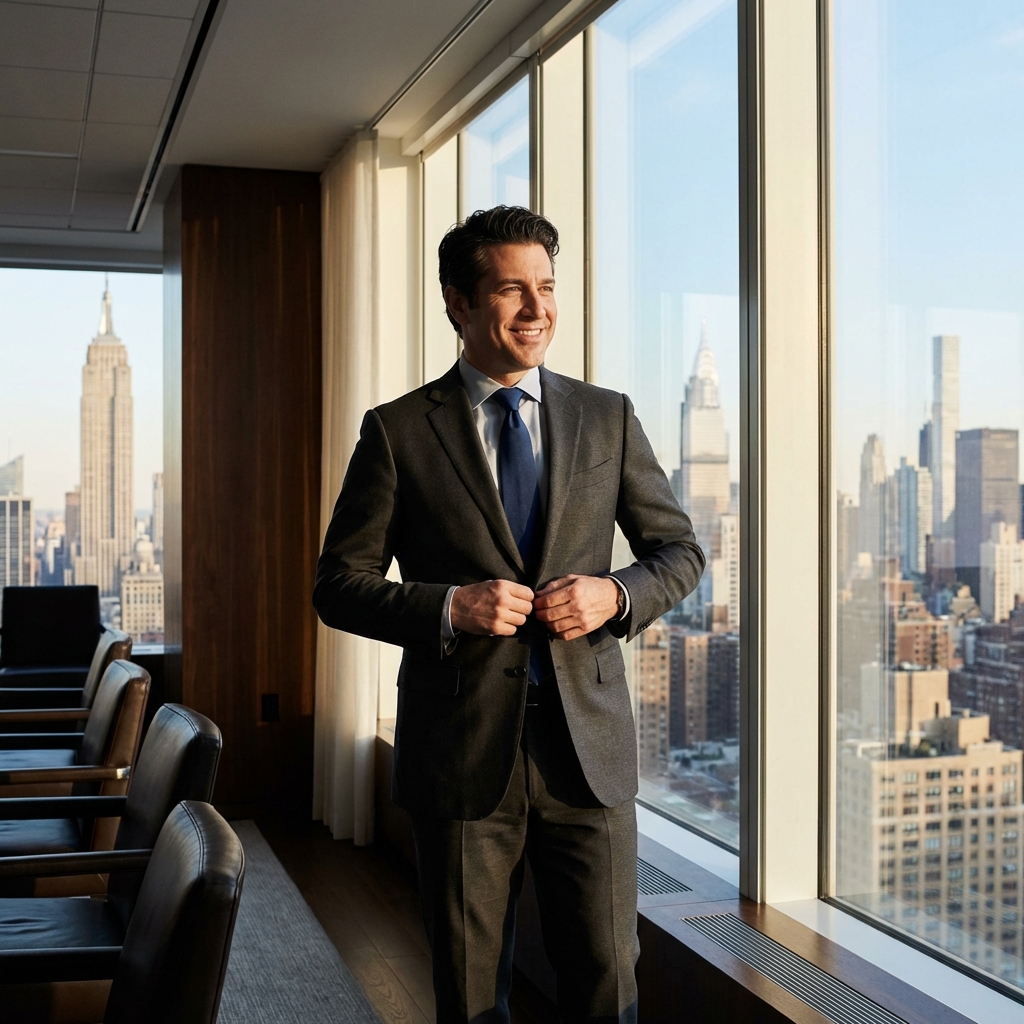
Picture a Monday morning in Manhattan. A C-suite executive joins a Zoom board call, acutely aware that the overhead camera angle amplifies every inch of thinning crown. With each virtual meeting, the concern compounds. The reflection in the laptop screen becomes an unwelcome distraction from the strategic discussion at hand.
For high-visibility professionals, hair loss transcends cosmetic inconvenience. It represents a strategic liability with measurable career implications. Research published in PubMed found that significant hair loss occurred less frequently among white male CEOs aged 50 to 69 than in the general male population, suggesting a correlation between hair fullness and executive success perception.
This guide provides a discretion-first decision framework specifically engineered for the executive mindset. It covers evaluation, scheduling, procedure selection, recovery, and the full logistical reality of undergoing hair restoration without professional disruption. Throughout this analysis, Hair Doctor NYC on Madison Avenue serves as the anchor clinic reference, representing the premium, board-certified destination for discerning professionals seeking excellence in hair restoration.
This is not a vanity discussion. It is a strategic investment analysis.
The Executive Stakes: Why Hair Loss Carries Professional Weight
The data paints a clear picture. Studies demonstrate that bald or balding men are perceived more negatively on dimensions including social attractiveness, self-assertiveness, and life success. These same studies estimate that hair loss adds nearly four years to perceived age.
In high-stakes environments where first impressions and perceived authority determine outcomes, these perceptions translate into tangible professional disadvantage. The boardroom, the client presentation, the investor pitch: each setting amplifies the importance of projecting vitality and competence.
The video call era has intensified this concern exponentially. Zoom and Microsoft Teams calls, with their overhead angles and high-definition cameras, make hair thinning significantly more visible than in-person settings. This modern executive concern did not exist a decade ago, yet it now dominates the professional landscape.
According to the 2025 ISHRS Practice Census, 63% of hair transplant patients chose the procedure specifically to “appear younger to compete in the workplace.” Career motivation is not anecdotal; it is the dominant driver. Furthermore, 71.7% of hair transplant patients report hoping to achieve more success in career and dating through the procedure.
Research published in the Aesthetic Surgery Journal confirms that hair transplantation improves self-esteem and confidence because patients are perceived as younger and more attractive by casual observers. In the boardroom, this perception translates directly to professional advantage.
The ageism dimension cannot be ignored. In competitive industries, perceived age and vitality influence how leaders are evaluated by boards, investors, and talent acquisition teams. Hair restoration becomes a legitimate professional consideration when framed within this reality.
Reframing the Decision: Investment Calculus, Not Vanity
The hair transplant decision fits naturally within the executive’s existing framework for high-value investments: ROI assessment, risk evaluation, long-term returns, and quality of execution.
Consider the parallel to other professional investments executives make without hesitation. Executive coaching, bespoke tailoring, premium fitness training, and personal branding services all serve a single purpose: optimizing professional presence. Hair restoration belongs in this category.
The investment ranges from $6,000 to $25,000 or more at premium NYC clinics, with top-tier practices charging $10 to $20 per graft. This represents a one-time cost compared to the compounding career and confidence returns over decades of professional life.
The permanence advantage distinguishes surgical hair restoration from alternatives. Unlike monthly grooming subscriptions or topical treatments requiring daily compliance, a surgical hair transplant delivers permanent, natural results. One strategic decision yields lasting impact.
A PubMed study demonstrated that hair transplantation significantly elevated self-esteem and satisfaction with appearance, with 55.7% of patients reporting a “very positive” emotional impact. This translates to measurable improvements in executive presence and confidence.
The risk of inaction deserves consideration. The psychological consequences of hair loss, including loss of self-confidence, poor self-image, and social withdrawal, are documented in peer-reviewed literature. Left unaddressed, these represent a compounding professional liability.
Understanding Your Options: A Procedure Overview for the Analytically Minded
This section serves as an executive briefing: concise, data-driven, and focused on results, downtime, and detectability.
FUE: The Executive Standard
Follicular Unit Extraction (FUE) has emerged as the dominant technique. Individual follicles are harvested and transplanted with no linear scarring, making it ideal for professionals who wear their hair short or travel frequently.
Market data confirms FUE’s dominance. According to Mordor Intelligence, FUE generated 58.62% of 2025 global hair transplant revenue, with clinical studies reporting 98% patient satisfaction rates. The market has rendered its verdict.
Executive-specific advantages include no visible scar, faster recovery, and the ability to return to work within days rather than weeks. Hair Doctor NYC’s FUE approach combines surgical precision with artistic hairline design, which proves critical for natural, undetectable results in high-visibility professionals. The average FUE session involves approximately 2,262 grafts per case, with the procedure typically completed in a single day.
No-Shave FUE: The Discretion Gold Standard
No-Shave FUE represents the technique specifically engineered for executive professionals. No head shaving is required, no visible signs of surgery remain, and return to work occurs within two to five days.
The mechanics are straightforward. Donor follicles are extracted from longer surrounding hair, which immediately conceals the harvest sites. Colleagues, clients, and board members observe no difference.
This technique directly addresses the Zoom concern. With No-Shave FUE, the executive can appear on a video call within days of the procedure with no detectable change in appearance. Swelling peaks at 48 hours and remains concealable through styling.
For executives whose primary objection is “I cannot afford anyone to know I had this done,” No-Shave FUE provides the definitive answer.
FUT: When Maximum Density Is the Priority
Follicular Unit Transplantation, also known as the strip method, remains the appropriate choice for executives with advanced hair loss requiring maximum graft yield and dense coverage.
The trade-off is clear. FUT leaves a linear scar in the donor area, making it less suitable for executives who wear very short hairstyles. However, for those with longer hair, the scar remains manageable and well-concealed.
When the goal is comprehensive restoration of significant hair loss, FUT delivers superior graft volume. Hair Doctor NYC offers both FUE and FUT, with personalized treatment planning to match the procedure to each patient’s specific hair loss pattern, lifestyle, and professional requirements.
Complementary Treatments: Optimizing the Investment
PRP (Platelet-Rich Plasma) therapy has become a regenerative add-on increasingly bundled with surgical procedures at premium NYC clinics to optimize graft survival and accelerate recovery.
Exosome stem cell treatments represent an emerging complementary option available at top-tier practices. These appeal to executives who want every advantage in recovery speed and result quality.
Scalp Micropigmentation (SMP) offers a non-surgical alternative for executives who are not surgical candidates or who want to complement a transplant with enhanced density appearance. Hair Doctor NYC’s Michael Ferranti, P.A., brings 25 years of aesthetic dermatology and plastic surgery experience as a licensed SMP specialist, ensuring comprehensive options within a single practice.
The Discretion Journey: From First Search to Final Result
The discretion journey represents the complete logistical and psychological roadmap allowing an executive to evaluate, schedule, undergo, and recover from a hair transplant without professional exposure. For high-visibility professionals, the question of how to proceed without anyone knowing carries equal weight to the medical question itself.
Phase 1: The Private Evaluation
Discreet initial research begins with personal devices and private browsing. Executives should evaluate board-certified NYC specialists with verifiable credentials and ISHRS affiliation.
Premium NYC providers demonstrate specific markers: double board certification, dedicated hair restoration experience, and substantial procedure volume. Hair Doctor NYC’s team features surgeons with 18 to 25 years of specialized experience, with Dr. Roy B. Stoller having performed over 6,000 successful procedures.
The Madison Avenue location offers the discretion of a professional medical appointment, indistinguishable from any executive health or dermatology visit. Consultations scheduled during natural professional gaps, such as early morning appointments, lunch hours, or days with light external meeting schedules, minimize visibility.
A thorough consultation addresses hairline design, graft count estimation, donor area assessment, and realistic timeline expectations. The importance of selecting qualified providers cannot be overstated. According to ISHRS data, black market hair transplant repair cases rose from 6% to 10% of member caseloads between 2021 and 2024.
Phase 2: Strategic Scheduling
Procedure scheduling demands the same strategic planning discipline executives apply to major business decisions.
Optimal scheduling windows include periods between major board meetings, investor presentations, client events, or international travel. A long weekend or a planned remote-work period provides adequate cover.
The full recovery arc unfolds predictably. Swelling peaks at 48 hours. Most executives can return to video calls within two to five days with No-Shave FUE. The transplanted area becomes largely undetectable within seven to ten days with appropriate styling.
The 12 to 18 month growth timeline serves as a strategic planning asset. Early growth becomes visible at months three to four, significant improvement appears by months six to nine, and full results arrive by months 12 to 18. Executives can plan backward from a target milestone, whether a major conference, board presentation, or annual review.
Scheduling in late Q3 or early Q4 allows the most visible growth phase to coincide with the following year’s high-visibility professional season.
Phase 3: Procedure Day
The procedure day experience at Hair Doctor NYC begins with arrival at the Madison Avenue location, followed by a pre-procedure consultation with the surgical team, local anesthesia administration, and the extraction and placement process.
Most FUE procedures are completed in one session, allowing the executive to return home the same day. The premium clinic environment is designed for discretion and patient comfort: a sophisticated medical suite, not a hospital setting.
The multi-specialist team at Hair Doctor NYC brings complementary expertise to each case. Dr. Roy B. Stoller, Dr. Louis Mariotti, and Dr. Christopher Pawlinga ensure both surgical precision and aesthetic artistry.
Phase 4: The Recovery Window
A day-by-day recovery framework tailored to professional reality:
Days 1 to 2: Rest at home as swelling peaks. No in-person meetings or video calls if possible.
Days 3 to 5: Swelling subsides. Styling can conceal donor and recipient areas. Video calls become manageable with No-Shave FUE.
Days 7 to 10: Most visible signs have resolved. In-person meetings and client interactions can resume with confidence.
Week 2 onward: The full professional schedule resumes. Transplanted hairs begin their natural shedding cycle, a normal process executives should understand in advance.
For explanation purposes, a brief reference to a “minor outpatient procedure” or “scheduled medical appointment” is entirely accurate and professionally appropriate. Notably, only 44% of hair transplant patients follow their surgeon’s medication advice. Executives who treat recovery with business-level discipline will see superior results.
Phase 5: The Growth Timeline
The 12 to 18 month growth timeline parallels a long-term strategic investment. Returns are substantial, but patience and process discipline are required.
Months 1 to 3: Shock loss phase. Transplanted hairs shed before entering the growth cycle. This is normal, not a sign of failure.
Months 3 to 4: Early new growth becomes visible. The first returns on investment appear.
Months 6 to 9: Significant density improvement. Colleagues may notice a refreshed, more youthful appearance without identifying why.
Months 12 to 18: Full results achieved. The transformation is complete and entirely natural-looking.
Unlike pharmaceutical interventions requiring ongoing compliance, a successful hair transplant delivers lasting results through a single strategic decision.
Selecting the Right NYC Specialist: A Due Diligence Framework
Specialist selection demands the same rigor an executive applies to selecting legal counsel, financial advisors, or key hires.
Credentials That Matter
Double board certification in facial plastic surgery and hair restoration ensures both surgical competence and aesthetic judgment. ISHRS membership serves as a baseline quality indicator.
Procedure volume matters significantly. A surgeon who has performed over 6,000 successful hair transplant procedures, such as Dr. Roy B. Stoller at Hair Doctor NYC, offers experience that dramatically reduces procedural risk. Dedicated specialization, such as Dr. Christopher Pawlinga’s 18 years focused exclusively on hair transplantation, brings depth that generalist practitioners cannot match.
A multi-specialist practice offers redundancy, peer review, and complementary expertise, providing meaningful advantages over single-practitioner clinics.
The Premium NYC Difference
Manhattan commands premium pricing for valid reasons: access to the most credentialed specialists, a patient experience calibrated for discerning professionals, and state-of-the-art facilities in an upscale setting.
The distinction between cost and value is critical. The investment at a board-certified NYC clinic is not comparable to lower-cost alternatives. The risk differential is significant, as evidenced by repair case rates at ISHRS member clinics.
Hair Doctor NYC embodies premium practice markers: Madison Avenue location, state-of-the-art facility, a team of double board-certified surgeons, and a patient experience defined by the tagline “Excellence Meets Elegance.”
Hair restoration for executives requires not just surgical skill but artistic precision in hairline design. The difference between a result that looks restored and one that looks entirely natural determines success.
The Psychological ROI: Confidence as a Leadership Asset
The most significant return on a hair transplant investment for an executive is the compounding confidence dividend.
A narrative review in the Journal of Cosmetic Dermatology confirms that when patient expectations are well managed, hair transplantation leads to improved self-esteem, confidence, and emotional well-being.
Leaders who project self-assurance command more authority in negotiations, inspire greater trust in boards and investors, and demonstrate the vitality that high-stakes roles demand.
The documented psychological burden of hair loss, including loss of self-confidence, poor self-image, and social withdrawal, represents a measurable drag on executive effectiveness. Restoring confidence means restoring a professional asset.
The executive who walks into a board meeting feeling fully present and unself-conscious about appearance operates at full capacity. With 55.7% of patients reporting a “very positive” emotional impact post-procedure, the psychological return proves reliable.
Why Hair Doctor NYC Is the Right Partner for the Executive Professional
Hair Doctor NYC aligns with every dimension of the executive decision framework established throughout this guide.
The Madison Avenue address serves as both a logistical and symbolic asset. A professional medical appointment in Midtown Manhattan is entirely consistent with an executive’s daily routine. No explanation required.
The team’s credentials speak directly to executive standards: Dr. Roy B. Stoller’s 25 years of experience and over 6,000 successful procedures, Dr. Louis Mariotti’s double board certification and focus on facial harmony, and Dr. Christopher Pawlinga’s 18 years of exclusive hair transplant specialization.
The “Excellence Meets Elegance” brand promise reflects a patient experience calibrated for professionals who expect white-glove service in every domain of their lives. The practice’s commitment to natural, undetectable results meets the defining requirement for any executive considering hair restoration.
Conclusion: The Strategic Case for Acting Now
The executive who has read this guide now possesses the complete framework: the professional stakes, the investment calculus, the procedure options, the discretion roadmap, and the specialist selection criteria.
The timing imperative is clear. With a 12 to 18 month growth timeline, every month of delay is a month of potential professional advantage deferred. The executive who schedules a consultation today will see full results by the next major career milestone.
The global hair transplant market is growing at a CAGR of up to 20.18%, driven in part by professionals who have recognized the career and confidence returns. The executive professional joins distinguished company.
Return to the opening scenario: the Monday morning video call where no one notices a thing. Not because nothing changed, but because the change looks entirely natural. That is the standard Hair Doctor NYC delivers.
This is not a decision about vanity. It is a decision about operating at full capacity, professionally, psychologically, and strategically, for the decades of leadership ahead.
Ready to Begin Your Discretion Journey? Schedule a Private Consultation at Hair Doctor NYC
The logical next step is a private, confidential consultation at Hair Doctor NYC’s Madison Avenue clinic.
A consultation represents an information-gathering exercise: the same due diligence any executive performs before a significant decision. The process is private, professional, and entirely consistent with routine medical appointments in Midtown Manhattan.
Over 6,000 successful procedures. A team of double board-certified surgeons. A patient experience defined by “Excellence Meets Elegance.”
Visit hairdoctornyc.com to request a private consultation, or call the clinic directly to speak with a member of the team. For executives in the early research phase, exploring the clinic’s procedure pages for FUE, No-Shave FUE, and FUT will deepen understanding before the consultation.
The discretion journey begins with a single, confidential step.