

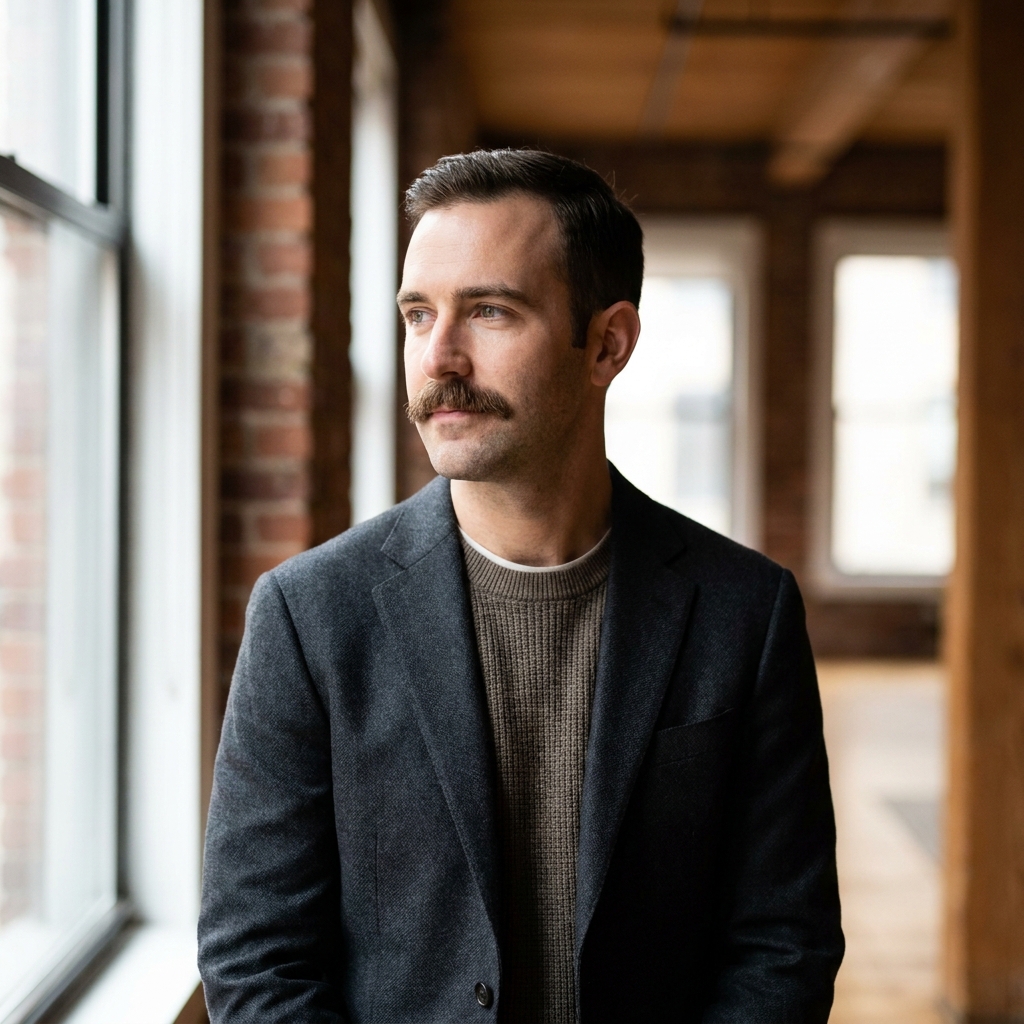
Hair Transplant for Patchy Mustache Growth: The Gap-Filling Graft Guide
Introduction: The Patchy Mustache Problem Most Men Resign Themselves To
Consider the man who can grow a respectable amount of mustache hair but finds himself perpetually frustrated by persistent gaps, uneven density, or corners that refuse to connect no matter how much time passes. No grooming product, growth serum, or waiting game has resolved the issue. For years, he has assumed his options were limited to either accepting the patchiness or shaving it all off entirely.
Here is the insight most men in this situation never receive: those with partial mustache growth are actually the ideal transplant candidates. Men who already have some hair require far fewer grafts than they assume, often needing only a targeted gap-filling procedure rather than a full reconstruction.
The psychological weight of patchy facial hair should not be underestimated. Research consistently links sparse mustache growth to identity-related distress, reduced confidence, and negative self-perception. In cultures where facial hair signals maturity, authority, and masculinity, the inability to grow a full mustache can carry significant emotional consequences. Psychological studies confirm that men motivated by social status are more likely to view facial hair as a critical self-presentation tool.
A hair transplant for patchy mustache growth is a precise, targeted procedure. It is not the same as a full mustache reconstruction. This guide explains exactly how the procedure works, how many grafts are realistically needed, what results look like, and why Hair Doctor NYC on Madison Avenue is uniquely positioned to deliver those results.
Why Patchy Mustache Growth Happens: Understanding the Root Cause
Partial mustache patchiness stems from several causes, with genetics being the most prevalent factor. Hormonal imbalances, particularly low testosterone or DHT sensitivity, also play a significant role. Alopecia barbae, a localized form of alopecia areata affecting the beard and mustache area, can create distinct patches of hair loss. Scarring from trauma, acne, cleft lip repair, or previous surgery represents another common cause. Finally, some men simply inherit low follicle density from family members.
Patchiness is not a reflection of overall health or masculinity. It is predominantly a structural issue at the follicular level. The average adult male mustache contains between 5,000 and 15,000 hairs depending on genetics and ethnicity, which provides context for how significant even a small gap can appear relative to surrounding density.
Different types of patchiness qualify for targeted transplant treatment: clear gaps in the center, uneven distribution across the philtrum, disconnected corners of the mouth, or asymmetrical growth patterns. Each presents a solvable problem for an experienced surgeon.
Non-surgical options such as minoxidil, PRP, microneedling, and biotin supplementation can help mild cases but remain temporary and inconsistent. These limitations establish the case for transplantation as the definitive, permanent solution.
The Partial Patchiness Advantage: Why Having Some Growth Makes a Better Candidate
Men who already have some mustache hair represent the ideal transplant candidates because existing follicles provide a natural framework for graft placement. Surgeons can use the patient’s current hair as a directional and density guide, reducing the complexity of design decisions and improving aesthetic outcomes. The result is more seamless and natural-looking than starting from zero.
Partial patchiness patients typically require significantly fewer grafts, often just 300 to 500, compared to men seeking a full mustache from scratch who may need 700 to 1,000 or more grafts. This makes the procedure more accessible, less invasive, and more cost-effective.
Clinical observations confirm that filling small gaps with 300 to 500 grafts can create a dramatic improvement in symmetry and fullness. A targeted, efficient procedure can transform the overall appearance of the mustache without the recovery time or investment of a complete reconstruction.
How Many Grafts Does a Patchy Mustache Actually Need?
The most common patient question deserves a clear, data-backed answer. Graft requirements break down as follows:
300 to 500 grafts: Subtle gap-filling, minor asymmetry correction, and light density enhancement in sparse zones.
500 to 700 grafts: Moderate patchiness with multiple disconnected areas or uneven distribution across the full mustache.
700 to 1,000+ grafts: Denser coverage, wider mustache styles, or cases where patchiness is extensive but some native hair still exists.
A personalized consultation remains essential because graft count depends on the patient’s specific gap pattern, desired style, facial proportions, and donor hair availability. The mustache transplant segment represents the fastest-growing sub-segment of the hair transplant market, projected at a CAGR of 25.4%, reflecting growing demand for precisely targeted procedures like gap-filling grafts.
The Technique Behind Mustache Gap-Filling: Precision That Scalp Transplants Cannot Match
Mustache transplants are technically more demanding than scalp transplants. The upper lip area requires ultra-acute implantation angles of 10 to 15 degrees to mimic natural mustache growth direction, compared to the steeper angles used on the scalp.
Skilled surgeons employ single-hair grafts along the mustache outline for a natural, soft border while using multi-hair grafts in central zones for density. This nuanced design strategy separates experienced specialists from generalists.
FUE (Follicular Unit Extraction) represents the gold standard technique. It uses a micro-punch of 0.7 to 0.9 mm, leaves minimal scarring, and allows precise graft placement ideal for the delicate mustache area. DHI (Direct Hair Implantation) and Sapphire FUE represent the most advanced options available, offering superior density control, minimal trauma to surrounding tissue, and faster recovery.
Improper graft angles in the upper lip area can create cobblestoning, a bumpy texture that signals poor technique. This complication is significantly reduced when procedures are performed by experienced, board-certified surgeons. Donor hair is harvested from the mid-occipital scalp, which most closely resembles mustache hair in texture and caliber, contributing to natural-looking results.
Graft Survival and Long-Term Results: What the Clinical Data Shows
A 2020 study by Zhu et al. in Dermatology and Therapy reported a 95.7% graft survival rate at 9 months for facial hair transplants. The IAHRS confirms that with optimal technique, nearly 100% of facial hair grafts survive and produce living hair over a lifetime.
A multicenter clinical study showed 79.1% of patients rated their beard and mustache FUE outcome as “very happy” at six or more months follow-up, with graft transection rates consistently below 7%.
Transplanted follicles are harvested from areas genetically resistant to hormonal loss, meaning results are permanent. The hair can be shaved, trimmed, and styled for life. Research on 875 post-operative patients showed self-esteem scores increased by 1.56 and satisfaction with appearance by 30.25 points following hair transplantation, reinforcing the psychological value of the procedure.
The Hair Growth Timeline: What to Expect Month by Month
The post-procedure growth timeline follows a predictable pattern:
Weeks 1 to 4: Shock loss occurs as transplanted hairs shed. This is expected, temporary, and not a sign of failure.
Months 3 to 4: New hair growth begins emerging from transplanted follicles.
Month 6: Visible improvement in density and gap coverage becomes apparent.
Months 9 to 14: Full, final density is achieved and the complete result becomes visible.
Mustache-specific recovery considerations include eating and chewing discomfort in the first few days, a five-day moisturizing protocol for the upper lip area, guidance on when to resume shaving, and instructions for protecting grafts while eating.
The procedure is performed under local anesthesia on an outpatient basis, typically taking three to eight hours depending on graft count. Most patients return to normal activities within one to two weeks.
Non-Surgical Alternatives: When They Work and When They Don’t
Non-surgical options serve as appropriate starting points for mild cases. Topical minoxidil can stimulate some follicular activity, but results are inconsistent and require ongoing use. PRP therapy involves platelet-rich plasma injections to stimulate dormant follicles. Microneedling improves product absorption and may stimulate growth. Mesotherapy and biotin supplementation round out the available options.
These approaches are temporary, require ongoing maintenance, and produce inconsistent results, particularly for men with genetic patchiness or follicular absence in specific zones.
Scalp micropigmentation (SMP) creates the visual illusion of hair follicles and can be effective for some patients, but it does not produce actual hair growth or texture.
When non-surgical options have failed to produce lasting results, or when patchiness is structural due to absent follicles in specific zones, a hair transplant for patchy mustache growth becomes the only permanent solution.
Are You a Candidate? Evaluating Your Mustache Patchiness Profile
Key candidacy criteria for a mustache gap-filling transplant include:
- Presence of some existing mustache hair (the “partial patchiness” patient profile)
- Identifiable gaps, asymmetry, or zones of absent follicles that do not respond to non-surgical treatment
- Adequate donor hair supply at the back or sides of the scalp
- Realistic expectations about the growth timeline and final result
- Good general health with no active autoimmune conditions affecting hair growth
Transplants also serve reconstructive purposes: covering cleft lip scars, burn scars, acne scars, or trauma-related hair loss. According to ISHRS data, facial hair implants increased 196% worldwide from 2012 to 2014 and another 121% from 2014 to 2019.
Younger men, particularly Gen Z and Millennials, are increasingly seeking mustache transplants earlier as an enhancement measure, driven by evolving male grooming standards and reduced stigma around cosmetic procedures.
Understanding the Investment: Cost, Value, and What Drives the Price
Partial mustache transplants to fill patchy areas typically cost $3,000 to $7,000 in the United States, depending on graft count, surgeon expertise, and clinic location. Key cost drivers include the number of grafts required, the technique used (FUE, DHI, or Sapphire FUE), the surgeon’s credentials and experience, and the geographic market.
International destinations such as Turkey offer lower price points of $2,000 to $3,000, but domestic procedures at a premium New York clinic offer distinct advantages: board-certified surgeons, malpractice protections, continuity of care, and the ability to follow up in person.
Unlike minoxidil or PRP, which require ongoing costs and maintenance, a transplant represents a one-time investment with lifelong results. The global hair transplant market is projected to grow from $11.11 billion in 2026 to $54.90 billion by 2034, with the beard and mustache segment growing at the fastest rate.
Why the Surgeon’s Expertise Is the Single Most Important Variable
Mustache transplants rank among the most technically demanding procedures in hair restoration. The ultra-acute angles, single-hair graft precision, and proximity to the lip make surgeon skill the primary determinant of outcome quality.
Inexperienced surgeons risk cobblestoning, improper hair direction, unnatural density distribution, and donor area overharvesting. These complications are significantly reduced with a board-certified, experienced specialist.
Hair Doctor NYC’s credentials speak directly to this standard. Dr. Roy B. Stoller brings 25+ years of experience in facial plastic surgery and over 6,000 successful hair transplant procedures. Dr. Louis Mariotti holds double board certification with a focus on facial harmony. Dr. Christopher Pawlinga has dedicated 18 years exclusively to hair transplantation.
The team’s dual expertise in facial plastic surgery and hair restoration proves particularly valuable for mustache procedures, where facial proportions and aesthetic harmony matter as much as technical graft placement. The practice’s Madison Avenue location and state-of-the-art facility reflect the premium, discreet patient experience that discerning men expect.
The Hair Doctor NYC Approach to Patchy Mustache Restoration
The personalized consultation process begins with a thorough assessment of the patient’s existing mustache growth pattern, gap zones, facial proportions, donor hair supply, and desired style. This results in a custom graft plan tailored to individual needs.
The surgical team maps the mustache into zones, determining which areas require single-hair grafts for natural borders versus multi-hair grafts for central density. Advanced FUE techniques for facial hair sculpting bring the same precision approach used for beard transplants, sideburn enhancement, and jawline hair restoration.
The practice’s commitment to natural, undetectable results means the goal is a mustache that looks as though it always grew that way: no visible scarring, no artificial density patterns, and no telltale signs of a procedure. Most patients return to normal life within days, consistent with the practice’s emphasis on minimal disruption to professional and personal schedules.
The “Excellence Meets Elegance” ethos defines the Hair Doctor NYC patient experience, combining surgical precision with aesthetic artistry.
Conclusion: Stop Waiting for Hair That Was Never Going to Grow
Men with partial mustache growth represent the ideal candidates for a targeted gap-filling transplant. The procedure requires far fewer grafts, less recovery time, and less investment than most assume.
The clinical efficacy is well-documented: graft survival rates of 85% to 95%, with nearly 100% achievable with optimal technique. Long-term patient satisfaction exceeds 90%, and results are genuinely lifelong.
Facial hair is deeply connected to identity, confidence, and self-presentation. The decision to address patchy growth is not vanity but a meaningful investment in how a man presents himself to the world.
The beard and mustache transplant market is growing faster than any other segment of hair restoration because the results speak for themselves. Men who act earlier benefit from the full lifetime of those results.
Schedule Your Mustache Restoration Consultation at Hair Doctor NYC
Discerning men ready to resolve their patchy mustache growth should schedule a private consultation at Hair Doctor NYC on Madison Avenue in Midtown Manhattan.
The consultation provides a personalized assessment of specific patchiness patterns, a custom graft recommendation, and a clear picture of realistic expectations. The experience is discreet and premium: no pressure, no generic treatment plans, and no assembly-line approach.
With over 6,000 successful procedures, 25+ years of facial plastic surgery expertise, and a dedicated hair transplant specialist with 18 years of exclusive focus on the field, the Hair Doctor NYC team delivers results that match the expectations of men who appreciate quality.
Visit hairdoctornyc.com to take the first step. The right surgeon, the right technique, and the right number of grafts can permanently resolve what no amount of waiting or topical products ever could.