

Scalp Micropigmentation: Why Surgical Experience Changes Everything
The statistics are sobering: 89.2% of patients requiring corrective scalp micropigmentation procedures originally received their treatment at non-medical facilities. This finding, published in a 2024 PubMed study, reveals a critical gap between cosmetic tattooing and medical-grade scalp micropigmentation that many patients discover only after unsatisfactory results.
Scalp micropigmentation has emerged as a transformative solution for hair loss, with the global market reaching $2.80 billion in 2025 and projected to grow to $4.58 billion by 2033. Yet this rapid growth has attracted practitioners with varying levels of expertise, creating a landscape where surgical-level anatomical understanding separates exceptional outcomes from costly corrections.
The distinction matters because SMP is fundamentally a medical procedure. While artistic skill plays a role, the scalp presents unique anatomical challenges that require specialized knowledge—the kind that comes from decades of surgical experience rather than cosmetic training alone.
The Medical Reality: Why Scalp Micropigmentation Isn’t Just Advanced Tattooing
The International Society of Hair Restoration Surgery (ISHRS) defines scalp micropigmentation as medical-grade micro-tattooing, describing it as “an indispensable part of the comprehensive hair surgeon’s practice.” This designation reflects the procedure’s complexity and the expertise required to perform it correctly.
The technical specifications alone differentiate SMP from conventional tattooing. Medical-grade SMP requires needle penetration depths of precisely 0.5mm into the epidermis—a measurement that varies based on scalp zone and tissue characteristics. The pigments used are specifically formulated in grayscale to resist the blue-green discoloration common with traditional tattoo inks, ensuring results that fade naturally over time.
Scalp tissue differs fundamentally from other skin areas. It exhibits unique laxity patterns, distinct blood flow characteristics, and specific healing responses that practitioners must understand and anticipate. A tattoo artist approaching the scalp with techniques developed for forearms or backs will encounter tissue behavior they may not recognize or know how to address.
The medical-grade methodology considers these anatomical factors at every stage, from initial assessment through final touch-up sessions. This approach contrasts sharply with cosmetic providers who may apply uniform techniques regardless of individual scalp characteristics.
The Anatomy Factor: What Surgical Experience Brings to SMP
Practitioners with surgical backgrounds bring critical anatomical knowledge to SMP that cannot be acquired through cosmetic training programs. This expertise encompasses understanding scalp laxity variations across different zones, vascular patterns that affect pigment retention, nerve distribution that influences patient comfort, and tissue density differences that determine optimal needle depth.
Decades of experience in aesthetic dermatology and plastic surgery provide practitioners with intimate knowledge of wound healing, tissue response, and long-term outcomes. They understand how skin ages, how scars form and mature, and how pigments interact with living tissue over extended periods.
Hair growth patterns present another layer of complexity. Natural hair emerges at specific angles that vary by scalp region, and follicle density differs dramatically between the temporal areas, crown, and frontal hairline. Surgical practitioners recognize these patterns and replicate them with pigment deposits, creating results that appear natural from every angle.
The donor area assessment skills developed through hair transplant experience prove invaluable for SMP planning. These practitioners understand which areas of the scalp maintain consistent characteristics over time and which may change with age or continued hair loss.
Understanding Scalp Blood Flow and Healing Patterns
The scalp’s rich vascularization directly affects pigment retention and healing outcomes. Practitioners with surgical experience understand how blood flow patterns influence pigment distribution during the healing process and can predict which areas may require adjusted technique or additional sessions.
Different scalp zones heal at different rates and with varying characteristics. The temporal regions, crown, and frontal areas each present distinct healing responses that experienced practitioners anticipate and accommodate. Previous surgeries, scars, or trauma create additional variables that affect SMP outcomes—variables that surgical practitioners recognize and address during treatment planning.
Scalp Laxity and Tissue Assessment
Scalp laxity—the degree to which scalp tissue moves and stretches—directly impacts needle depth requirements and pigment placement accuracy. Practitioners assess tissue quality before treatment, determining optimal technique parameters for each patient’s unique anatomy.
The relationship between scalp tension and pigment retention is well-established in clinical literature. Areas of higher tension may require different approaches than looser tissue zones. Age-related changes in scalp tissue further complicate this assessment, as the scalp’s characteristics evolve over time in ways that affect both immediate results and long-term durability.
The 89.2% Problem: Why Most Corrective Cases Come from Non-Medical Facilities
The PubMed study on revision procedures examined 120 patients requiring corrective SMP treatment. Of these, 107 patients—89.2%—had originally been treated at tattooing facilities or beauty salons performing permanent makeup. This statistic underscores the consequences of inadequate anatomical training.
Common problems requiring correction include pigment placed at incorrect depths, inappropriate ink selection leading to discoloration, unnatural patterns that fail to mimic real hair follicles, and density distributions that appear artificial. These issues often cannot be easily remedied and may require extensive laser removal before proper SMP can be performed.
The SMP industry remains largely unregulated, allowing practitioners with minimal training to offer services alongside experienced medical professionals. Patients cannot always distinguish between these providers based on marketing materials alone, leading many to select practitioners based on price or convenience rather than qualifications.
The financial and emotional costs of corrective procedures extend far beyond the original treatment investment. Patients face additional expenses, extended treatment timelines, and the psychological burden of living with unsatisfactory results while awaiting correction.
Future-Proofing Results: Hair Transplant Compatibility
Many patients who choose SMP eventually consider hair transplantation as their hair loss progresses or as they seek additional density. Improper SMP placement can compromise future transplant options by creating pigment deposits that interfere with surgical planning or result in unnatural appearances when combined with transplanted hair.
Practitioners with surgical backgrounds approach SMP strategically, preserving transplant viability while delivering immediate aesthetic improvement. They understand donor area considerations and design treatment plans that complement rather than conflict with potential future procedures.
This perspective aligns with the ISHRS position on SMP as part of a comprehensive hair restoration strategy. The most sophisticated approach views SMP not as an isolated treatment but as one component of a long-term plan that may evolve with the patient’s needs.
The Medical-Grade SMP Protocol: What Sets It Apart
Clinical research supports a standardized three-session protocol for optimal SMP outcomes. A PMC study documented visual density scores averaging 8.7 ± 1.1 using zone-specific needle selection and hierarchical pigment deposition techniques across multiple sessions.
The 10-20 day spacing between sessions allows practitioners to assess healing, evaluate pigment retention, and adjust subsequent treatment accordingly. This measured approach produces superior results compared to single-session treatments that attempt to achieve final density immediately.
Comprehensive Assessment: The Medical Advantage
Medical practitioners employ thorough consultation processes that include complete medical history review, contraindication screening, and detailed scalp analysis. This assessment encompasses laxity measurement, existing scarring evaluation, and current hair density documentation.
The surgical background enables accurate outcome prediction based on individual characteristics. Patients receive realistic expectations rather than generic promises, understanding how their specific anatomy will influence results.
Precision and Customization
Understanding facial aesthetics and proportions—knowledge fundamental to facial plastic surgery—informs hairline design decisions. The hairline must complement facial features, account for natural asymmetries, and appear appropriate as the patient ages.
Pigment color matching requires assessment of skin undertones and existing hair characteristics. Needle depth adjustments based on scalp zone and tissue quality ensure consistent results across treatment areas. Density variation techniques create the natural gradients seen in actual hair patterns rather than the uniform appearance that signals artificial enhancement.
Beyond Male Pattern Baldness: Medical Applications of SMP
While the “buzz cut” aesthetic for men dominates SMP marketing, the procedure serves a far broader patient population. The Cleveland Clinic identifies multiple conditions treated with SMP, including scar camouflage, female pattern hair loss, alopecia areata, and post-transplant density enhancement.
Scar camouflage applications—addressing surgical scars, trauma, and burns—require precise anatomical knowledge to achieve natural-appearing results on damaged tissue. Female pattern hair loss represents a growing demographic, with up to two-thirds of post-menopausal women experiencing some degree of hair thinning.
Gender-affirming applications and chemotherapy-related hair loss present specialized considerations that benefit from medical expertise. These patients often have unique anatomical or health factors that influence treatment approach.
Long-Term Outcomes: Why Surgical Experience Matters for Durability
Properly performed SMP typically maintains its appearance for 4-6 years before touch-ups become necessary. However, this longevity depends heavily on initial technique—proper needle depth, appropriate pigment selection, and correct placement all influence how results evolve over time.
Medical-grade pigments fade gracefully on a grayscale, maintaining natural appearance as they lighten. Traditional tattoo inks, by contrast, often shift toward blue or green tones as they age, creating obviously artificial results that require correction or removal.
Understanding tissue aging allows practitioners to anticipate how results will change over years and decades, informing both initial treatment and long-term maintenance planning.
The Investment Perspective: Cost vs. Value in SMP
Average SMP costs in 2026 approximate $3,150 for complete treatment across three sessions, with ranges typically falling between $2,000 and $4,000 depending on coverage area and practitioner experience. This investment compares favorably to hair transplant costs of $4,000-$15,000 or more.
However, the hidden costs of inadequate initial treatment—corrective procedures, laser removal, and extended timelines—can far exceed the savings from choosing less qualified providers. High satisfaction rates reported among SMP clients reflect outcomes achieved through proper technique, not the industry average.
Michael Ferranti’s Dual Expertise: The Gold Standard Approach
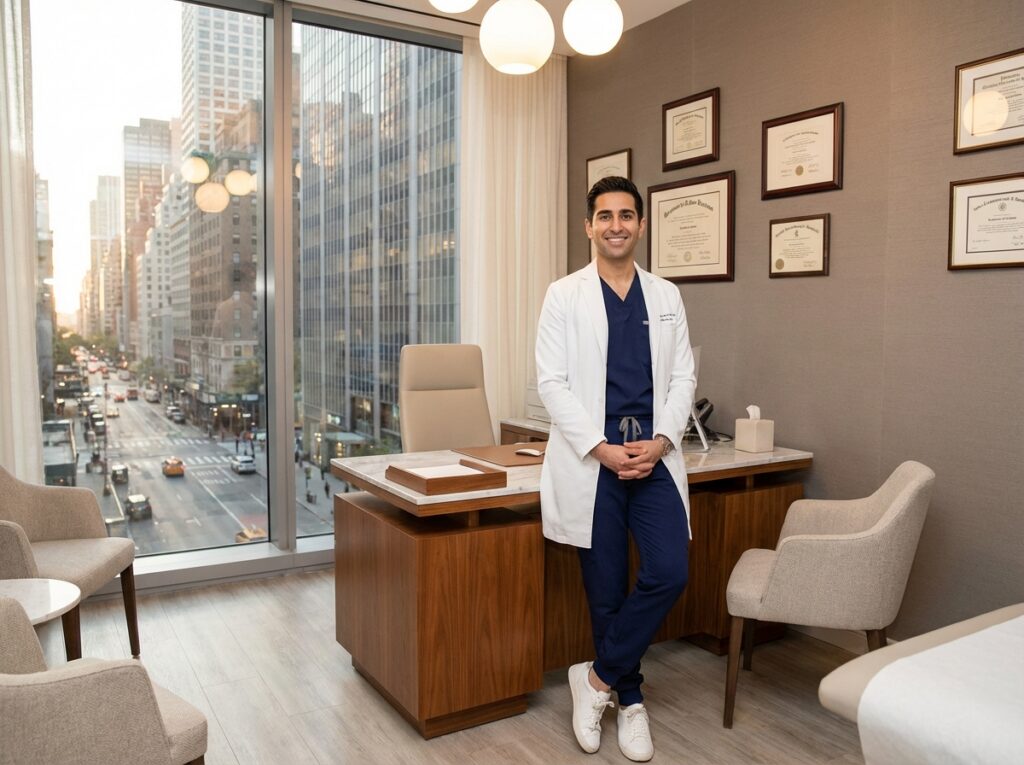
At Hair Doctor NYC, Michael Ferranti, P.A., represents the convergence of surgical experience and specialized SMP training that defines medical-grade practice. His 25+ years in aesthetic dermatology and plastic surgery provide the anatomical foundation that distinguishes exceptional outcomes from adequate ones.
Practicing within a comprehensive hair restoration facility alongside board-certified surgeons creates opportunities for collaborative patient care that standalone SMP providers cannot offer. This integrated approach ensures that SMP treatment aligns with broader hair restoration goals, whether patients seek SMP alone or as part of a combined strategy.
What to Look for in an SMP Practitioner
Patients evaluating SMP providers should prioritize medical credentials, facility type, and specialized training over convenience or price alone. Red flags include tattoo parlor settings, absence of medical oversight, and promises that seem unrealistic based on individual circumstances.
Essential questions during consultation should address the practitioner’s anatomical training, surgical experience, and approach to patients with similar scalp conditions. Before-and-after galleries showing patients with comparable hair loss patterns provide more relevant information than generic results.
Conclusion
Scalp micropigmentation delivers remarkable results when performed by practitioners who understand the scalp as a complex anatomical structure rather than simply a canvas for pigment. The 89.2% corrective case statistic from non-medical facilities serves as a cautionary reminder that expertise matters.
Choosing practitioners with surgical backgrounds protects both immediate results and future hair restoration options. As the SMP market continues its projected growth toward $4.58 billion by 2033, patients who prioritize medical expertise will continue to achieve the natural, lasting outcomes that make SMP a valuable hair restoration solution.
Take the Next Step with Medical-Grade SMP
Hair Doctor NYC invites individuals considering scalp micropigmentation to schedule a consultation at their state-of-the-art Madison Avenue facility. Michael Ferranti’s unique combination of 25+ years in aesthetic dermatology and plastic surgery with specialized SMP expertise ensures patients receive the comprehensive assessment and personalized treatment planning that medical-grade SMP requires.
The collaborative environment at Hair Doctor NYC—working alongside board-certified facial plastic surgeons including Dr. Roy B. Stoller—provides access to the full spectrum of hair restoration options. Whether SMP alone meets a patient’s goals or a combined approach offers optimal results, the Hair Doctor NYC team delivers the excellence and natural-looking outcomes that distinguish medical-grade care.