

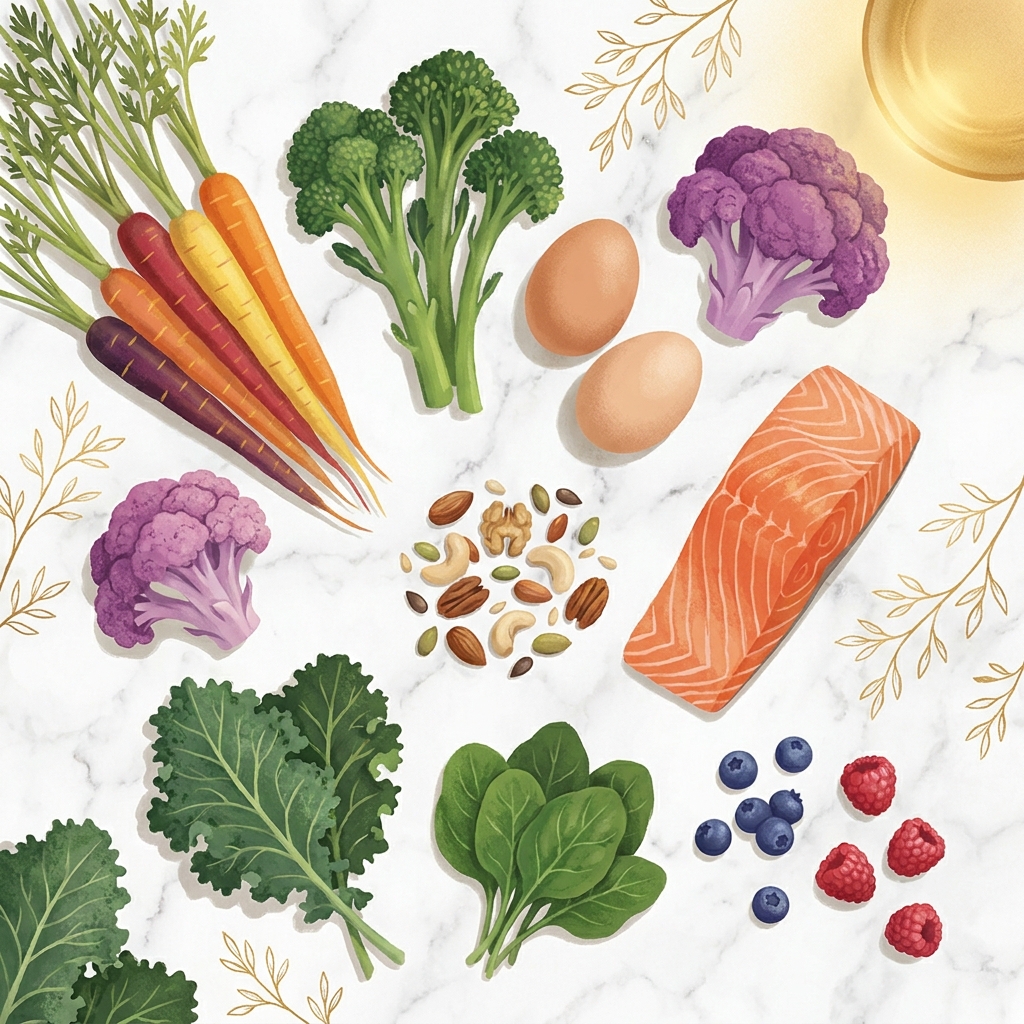
What to Eat After Hair Transplant Surgery: The 6-Month Recovery Nutrition Protocol
Introduction: Why What You Eat After a Hair Transplant Determines Your Results
The surgical procedure is only half the equation. The six months that follow a hair transplant determine whether grafts survive, take root, and produce the dense, healthy hair that patients envision when they commit to the procedure. Understanding what to eat after hair transplant surgery is not optional; it is foundational to achieving exceptional results.
Hair is structurally composed of keratin, a protein synthesized from amino acids obtained through diet. Without the right nutritional inputs, the body simply cannot build new follicle tissue or support the complex healing process that transplanted grafts require. This biological reality transforms post-operative nutrition from a wellness suggestion into a clinical imperative.
Patients who undergo hair restoration at premier clinics like Hair Doctor NYC have made a significant investment, both financially and emotionally. Nutrition represents the controllable variable that protects that investment. While surgical excellence sets the foundation, the recovery protocol determines the final outcome.
This guide follows a phase-specific framework: Days 1 to 3, Weeks 1 to 2, Months 1 to 3, and Months 3 to 6. Each phase corresponds to a distinct biological process, from graft survival and wound healing to follicle activation and hair shaft production. Whether a patient has undergone FUE, FUT, or beard transplant surgery, and whether they follow an omnivorous or plant-based diet, this protocol provides the clinically informed guidance needed to maximize results.
The Biology Behind Post-Transplant Nutrition: What Grafts Actually Need
Nutrition must support four distinct biological phases following hair transplant surgery: acute inflammation and graft stabilization, wound healing and collagen synthesis, follicle dormancy and anagen re-entry, and active hair shaft production.
Transplanted grafts are temporarily severed from their blood supply and depend entirely on nutrient-rich plasma diffusion during the first 72 hours. This makes immediate post-operative nutrition critical rather than supplementary. The nutrients circulating in a patient’s bloodstream during this window directly influence whether grafts stabilize successfully.
A systematic review published in Molecular Nutrition and Food Research found that deficiencies in Vitamin D, iron, zinc, and B vitamins are associated with increased risk of androgenetic alopecia and impaired follicle function. Further research indicates that 83.9% of alopecia patients present with deficient or insufficient Vitamin D levels, while zinc insufficiency appears in 70% of hair loss cases. Many patients arrive at their procedure already nutritionally depleted, making proactive dietary intervention even more essential.
The key micronutrients covered throughout this protocol include protein and amino acids, Vitamin C, Vitamin D, zinc, iron, biotin, B-complex vitamins, omega-3 fatty acids, magnesium, and antioxidants. Hydration serves as the foundational element; patients should consume at least 1.5 to 2 liters of water daily to facilitate nutrient delivery to follicles and reduce post-operative swelling.
Phase 1 (Days 1 to 3): Protecting Grafts and Managing Acute Inflammation
During the first three days, grafts exist in their most vulnerable state. The scalp is actively inflamed, and the immune system has mobilized for initial wound response. The goal during this phase is not aggressive nutrition but protective, anti-inflammatory eating that minimizes stress on the healing scalp.
Recommended foods for Days 1 to 3:
- Soft, easily digestible options requiring minimal chewing: broths, soups, yogurt, smoothies, bananas, oatmeal, and scrambled eggs
- Anti-inflammatory additions: omega-3-rich foods such as salmon, walnuts, and chia seeds; ginger and turmeric incorporated into smoothies and broths
Special consideration for beard transplant patients: Those who have undergone facial hair restoration should follow a strict soft or liquid diet consisting of yogurt, soup, and protein shakes for at least three days due to chewing discomfort and the proximity of grafts to the jaw.
Foods to strictly avoid in Days 1 to 3:
- Alcohol: Thins blood, interacts with post-operative antibiotics, and delays tissue repair
- Caffeine: Affects blood pressure, causes dehydration, and restricts scalp blood flow
- Spicy foods: Increase perspiration that irritates healing scabs
- Salty foods: Cause water retention and worsen post-surgery swelling
- Sugary and refined carbohydrates: Promote inflammation and elevate blood glucose
A practical Days 1 to 3 structure might include a morning smoothie with banana and ginger, mid-morning bone broth, a soft lunch of scrambled eggs, afternoon Greek yogurt with honey, and a light dinner of vegetable soup.
Phase 2 (Weeks 1 to 2): Fueling Wound Healing and Collagen Synthesis
By Week 1, initial graft stabilization is underway and the body transitions to active wound healing. Collagen synthesis, tissue repair, and early vascularization of grafts become the biological priorities.
Protein becomes the primary macronutrient focus. Lean chicken, fish, eggs, lentils, Greek yogurt, and cottage cheese provide the essential amino acids needed to synthesize keratin and repair scalp tissue.
Vitamin C serves a dual role: It is required for collagen production and enhances iron absorption. Sources include bell peppers, citrus fruits, strawberries, and broccoli.
Zinc supports cell division and tissue repair. Given that zinc insufficiency appears in 70% of hair loss cases, patients should prioritize pumpkin seeds, eggs, seafood, and red meat.
Iron enhances oxygen delivery to the scalp. Iron deficiency is a common cause of hair loss and should be actively addressed through lean red meat, spinach, lentils, and beans. Consuming Vitamin C alongside iron-rich foods significantly boosts absorption.
Antioxidant-rich foods such as berries, leafy greens, bell peppers, and nuts combat free radical damage during the vulnerable healing phase.
Alcohol should continue to be avoided for at least two weeks post-surgery. Smoking cessation remains critical, as smoking reduces oxygen supply to follicles and may lead to graft loss.
Phase 3 (Months 1 to 3): Supporting Follicle Dormancy and Anagen Re-Entry
Transplanted follicles typically enter a dormant telogen phase after initial healing. This is normal and expected, not a sign of failure. Nutrition during this period prepares follicles for anagen, or active growth, re-entry. Patients sometimes confuse this dormancy with hair transplant shock loss, which is a separate but related phenomenon worth understanding.
Vitamin D becomes critical during this phase. Deficiency is directly linked to male pattern baldness and follicle dormancy; follicles may remain in the resting phase when Vitamin D levels are insufficient. Sources include fatty fish, fortified dairy, egg yolks, and supervised sun exposure.
Biotin (Vitamin B7) strengthens follicles and promotes hair growth. Best food sources include eggs, almonds, sweet potatoes, and whole grains. A food-first approach is preferred over high-dose supplementation.
Magnesium helps manage cortisol and stress-related hair shedding, which can be triggered by the physical stress of surgery. Sources include bananas, almonds, oats, dark chocolate, and leafy greens. This nutrient is frequently overlooked in post-transplant guidance.
Annurca apple polyphenols represent a unique, science-backed nutritional consideration. Research published in Nutrients demonstrated that these polyphenols stimulate keratin production in hair follicles by inhibiting the pentose phosphate pathway.
Omega-3 fatty acids should continue through this phase, supporting blood circulation to follicles and maintaining an anti-inflammatory scalp environment.
Beetroot offers a nutrient-dense addition rich in vitamins, minerals, nitrates that improve blood flow, and antioxidants.
Phase 4 (Months 3 to 6): Accelerating Hair Shaft Production and Density
By Month 3, follicles begin re-entering anagen and producing visible hair shafts. Nutrition in this phase directly fuels the rate and quality of hair shaft production, including thickness, tensile strength, and density.
Protein remains the ongoing foundation. Hair shaft is approximately 95% keratin; sustained high-quality protein intake targeting 1.2 to 1.6 grams per kilogram of body weight is essential for producing strong, thick strands.
Iron and Vitamin D remain critical through Month 6, as follicles completing their first full growth cycle require consistent oxygen delivery and hormonal signaling.
Gut microbiome health represents an emerging area of research. Incorporating fermented foods such as kefir, Greek yogurt, and kimchi, along with prebiotic-rich foods like oats, garlic, and onions, supports microbiome diversity and may benefit follicle health.
Hydration at 1.5 to 2 liters daily remains essential to support nutrient transport to follicles and scalp moisture.
Hair growth and root finalization take approximately six months post-transplant. Sustained nutrition throughout this entire window separates good results from exceptional ones.
The Critical Micronutrients: A Clinician-Backed Reference Guide
Protein
- Role: Provides amino acids for keratin synthesis and scalp tissue repair
- Best sources: Lean chicken, wild-caught salmon, eggs, Greek yogurt, cottage cheese, lentils, quinoa
- Target: 1.2 to 1.6 grams per kilogram of body weight daily
Vitamin D
- Role: Regulates the hair follicle cycle; deficiency is linked to follicle dormancy
- Best sources: Fatty fish, fortified dairy, egg yolks, UV-exposed mushrooms
- Clinical note: 83.9% of alopecia patients present with deficient or insufficient levels
Zinc
- Role: Essential for cell division, tissue repair, and maintaining sebaceous glands
- Best sources: Pumpkin seeds, oysters, beef, eggs, chickpeas
- Caution: Excess supplementation can impair copper absorption
Iron
- Role: Enhances oxygen delivery to the scalp via hemoglobin
- Best sources: Lean red meat, spinach, lentils, kidney beans; pair with Vitamin C
- Note: Particularly common deficiency in women and plant-based patients
Omega-3 Fatty Acids
- Role: Anti-inflammatory effect that supports graft survival and scalp health
- Best sources: Wild-caught salmon, mackerel, walnuts, chia seeds, flaxseeds
Magnesium
- Role: Regulates cortisol and stress response; supports sleep quality for tissue repair
- Best sources: Dark leafy greens, almonds, cashews, oats, bananas, dark chocolate
Foods to Avoid After Hair Transplant Surgery: The Science Behind the Restrictions
Understanding the biological mechanisms behind dietary restrictions improves patient compliance and outcomes.
Alcohol thins the blood, impairs immune function, delays tissue repair, causes dehydration, and can interact dangerously with post-operative medications. Patients should avoid alcohol for a minimum of two weeks.
Caffeine affects blood pressure, increases bleeding tendency, and causes dehydration that restricts scalp blood flow. It should be avoided for two to three days before and after surgery.
Spicy foods stimulate perspiration, which can irritate healing scabs and introduce bacteria to open wounds. Patients should avoid spicy foods for the first week.
Sugary foods and refined carbohydrates promote systemic inflammation, spike blood glucose, and can significantly extend recovery time.
Processed meats and trans fats compromise blood circulation and nutrient delivery to follicles.
The Plant-Based Patient’s Post-Transplant Nutrition Protocol
Vegan and vegetarian patients can meet all post-transplant nutritional requirements through a well-planned diet, though it requires intentionality.
Protein strategy: Legumes, tofu, tempeh, edamame, seitan, quinoa, and hemp seeds provide all essential amino acids. Combining complementary proteins throughout the day ensures complete coverage.
Iron strategy: Plant-based iron from spinach, lentils, fortified cereals, and pumpkin seeds is less bioavailable. It should always be consumed with Vitamin C and not paired with calcium or coffee.
Vitamin B12: This represents the critical gap for vegan patients. Fortified plant milks, nutritional yeast, and fortified cereals provide some B12, but supplementation is typically necessary.
Omega-3s: An algae-based DHA and EPA supplement is recommended, as conversion from plant-based ALA sources is inefficient.
With proper planning, plant-based patients can achieve the same excellent outcomes as omnivorous patients.
Hydration: The Overlooked Foundation of Graft Survival
Adequate hydration maintains blood plasma volume, which is the primary vehicle for delivering nutrients to healing follicles and removing metabolic waste from the surgical site. Dehydration reduces scalp blood flow, impairs nutrient delivery, slows collagen synthesis, and can worsen post-operative swelling.
Patients should target a minimum of 1.5 to 2 liters of water daily throughout the recovery period. Hydrating foods such as cucumber, watermelon, celery, and oranges also contribute to daily fluid intake.
Supplement Safety: What to Take, What to Avoid, and What to Ask Your Surgeon
Supplements can complement a well-structured diet but should never replace whole food nutrition and should only be initiated after consulting a hair loss doctor in Manhattan or hair restoration physician.
Supplements with evidence-based support: Vitamin D3 for deficient patients, zinc if blood levels confirm deficiency, iron only if ferritin is low, and algae-based omega-3s for plant-based patients.
Supplements to approach with caution: High-dose biotin above 5,000 mcg interferes with lab tests; excess Vitamin A above 10,000 IU daily is a documented cause of hair loss; excess zinc impairs copper absorption.
The team at Hair Doctor NYC can provide personalized post-operative nutritional guidance as part of their comprehensive recovery protocol.
Conclusion: Nutrition Is the Investment That Protects Your Investment
A hair transplant represents a significant medical and financial commitment. The six-month recovery window is where that investment is either protected or compromised by nutritional choices.
The phase-specific framework provides clear guidance: Days 1 to 3 focus on protecting grafts and reducing inflammation; Weeks 1 to 2 fuel wound healing and collagen synthesis; Months 1 to 3 support follicle dormancy and anagen re-entry; Months 3 to 6 accelerate hair shaft production and density.
Key micronutrient priorities throughout include protein, Vitamin D, zinc, iron, biotin, B-complex vitamins, omega-3s, magnesium, and antioxidants. Each plays a specific, clinically documented role in achieving optimal results.
Exceptional results require exceptional care, both in the operating room and in the months that follow. Understanding the full hair transplant recovery time from the very first week helps patients set realistic expectations and stay committed to their nutrition protocol.
Ready to Maximize Your Hair Transplant Results? Consult the Experts at Hair Doctor NYC
Dr. Roy B. Stoller and the Hair Doctor NYC team bring over 6,000 successful procedures and 25 years of specialized experience to every patient relationship. Their approach extends beyond the surgical event to support patients through every phase of recovery, including personalized post-operative nutritional guidance.
Schedule a consultation at the Madison Avenue clinic to discuss individual recovery protocols, nutritional needs, and long-term hair restoration goals.
Schedule your consultation with Hair Doctor NYC today and take the first step toward results that last a lifetime.
Excellence Meets Elegance. At Hair Doctor NYC, every detail of recovery is treated with the same precision as the procedure itself.