

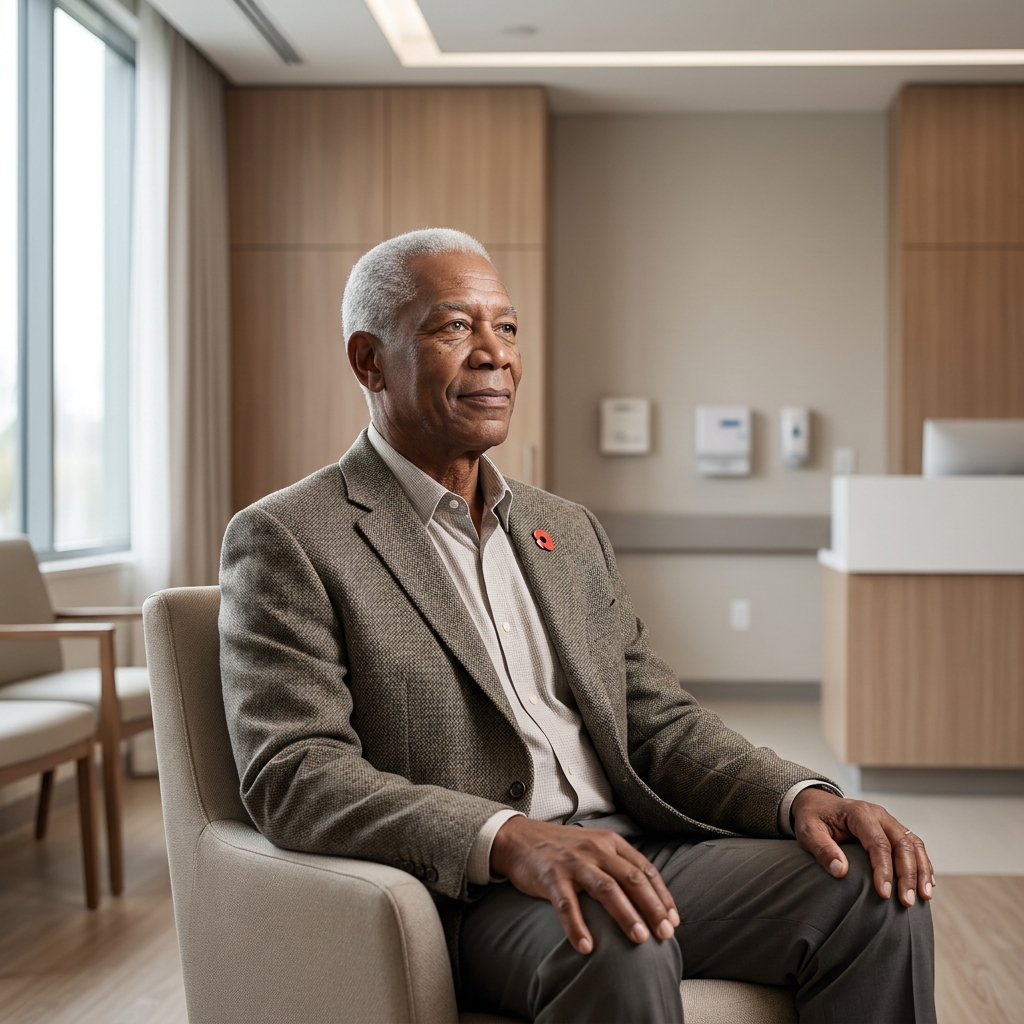
Hair Transplant for Military Veterans Scarring Alopecia: The Service-Connected Restoration Roadmap
Introduction: When Service Leaves Its Mark on the Scalp
Military veterans represent a distinct category of hair restoration patient. These individuals have earned, through their service, the right to expect the highest standard of medical care and the most honest clinical guidance available. A hair transplant for military veterans with scarring alopecia is not a cosmetic indulgence; it is a medically appropriate intervention for a population that faces unique physiological challenges and deserves a specialized approach.
Scarring alopecia, clinically known as cicatricial alopecia, permanently destroys hair follicles and replaces them with fibrous scar tissue. Unlike pattern baldness, which responds to medication and lifestyle modifications, scarring alopecia eliminates the biological infrastructure required for natural hair regeneration. Surgical intervention becomes the only viable pathway to restoration.
Veterans present with a convergence of risk factors that civilian populations rarely encounter: blast injuries from improvised explosive devices, thermal and chemical burns, shrapnel wounds to the scalp, toxic environmental exposures during deployment, and autoimmune responses triggered by chronic combat stress and post-traumatic stress disorder. This article provides a veteran-specific roadmap covering the physiology of service-connected scalp scarring, the surgical realities of transplanting into compromised tissue, VA disability rating pathways under Diagnostic Code 7830, and the staged surgical planning that complex cases demand.
Hair Doctor NYC stands as one of the rare premium practices in the country with the scar revision expertise, facial plastic surgery background, and clinical depth that veteran patients require. With double board-certified facial plastic surgeons and over 6,000 successful procedures performed by the lead surgeon, the practice offers the technical sophistication these cases demand without overpromising outcomes.
What Is Scarring Alopecia? The Clinical Foundation Every Veteran Should Understand
Cicatricial alopecia encompasses a group of disorders characterized by permanent destruction of hair follicles and their replacement with fibrous scar tissue. This distinguishes it fundamentally from non-scarring forms such as androgenetic alopecia or telogen effluvium, where the follicular architecture remains intact and regeneration remains possible.
The permanence of scarring alopecia is the central clinical fact. Once follicles are destroyed by scarring, they cannot regenerate naturally. This biological reality makes surgical restoration the only path to hair recovery for affected veterans.
Clinicians distinguish between primary cicatricial alopecia, driven by autoimmune-mediated follicular destruction (conditions such as lichen planopilaris and discoid lupus), and secondary cicatricial alopecia, where follicular destruction results from external trauma including burns, infections, radiation, and shrapnel injuries. Both categories are highly relevant to the veteran population.
This distinction matters surgically. The underlying cause of scarring affects disease stability timelines, graft survival expectations, and surgical sequencing. A 2025 review published in MDPI Surgeries found that 87.8% of primary cicatricial alopecia patients had positive hair transplant outcomes, establishing that surgery for this indication is clinically validated rather than experimental.
The critical prerequisite for any surgical intervention is disease stability. Hair transplant surgery for scarring alopecia must only be performed once the condition has entered a stable, non-active phase. Operating on active inflammatory scarring risks disease reactivation and graft failure, wasting both the financial investment and the limited donor hair supply.
The Service-Connected Causes: Why Veterans Face a Distinct Scarring Alopecia Risk Profile
Veterans are not simply people with hair loss. They present with a specific, multi-vector injury profile that demands clinical understanding and specialized surgical expertise. A study of nearly 500,000 active-duty service women from 2010 to 2019 found that 2.4% had alopecia, slightly higher than civilian populations, and the condition is likely underreported, particularly among Black servicewomen.
Combat-Related Physical Trauma: Burns, Blast Injuries, and Shrapnel
IED blast injuries, burn wounds, and shrapnel penetration directly destroy scalp follicles and create the fibrous scar tissue that defines secondary cicatricial alopecia. The vascular disruption accompanying burn injuries compounds the surgical challenge: scar tissue exhibits reduced vascularity, diminished elasticity, and altered architecture, all of which complicate hair transplant surgery and require specialized planning.
VA research confirms that Iraq and Afghanistan veterans face significantly higher rates of head and neck injuries compared to veterans of prior conflicts. Facial burn injuries frequently destroy not only scalp hair but also eyebrows, eyelashes, and beard hair, creating identity and reintegration challenges that extend beyond the scalp.
PTSD, Chronic Military Stress, and the Autoimmune Hair Loss Connection
Chronic psychological stress activates the hypothalamic-pituitary-adrenal axis, leading to elevated cortisol, immune privilege collapse in hair follicles, and autoimmune-mediated hair loss. This mechanism explains the documented connection between PTSD and conditions including telogen effluvium and alopecia areata.
A survey study published in Karger’s Skin Appendage Disorders found that one in three alopecia areata patients in a 1,449-person cohort met PTSD screening criteria specifically related to their hair loss experience, illustrating the bidirectional relationship between psychological trauma and hair loss. The National Alopecia Areata Foundation reports that adults with alopecia areata are 30 to 38 percent more likely to be diagnosed with depression.
VA research confirms that veterans with negative body image from combat injuries, including visible scars, are more likely to be depressed and at higher risk for PTSD. A 2024 study published in PLOS ONE found that veterans with appearance-altering injuries reported significantly greater depression and PTSD compared to civilians. Addressing scarring alopecia surgically is not cosmetic vanity; it is a legitimate component of comprehensive veteran mental health and reintegration care.
Environmental and Occupational Hazards During Deployment
Environmental contributors to veteran hair loss include UV exposure, heavy metals in drinking water, smoke toxins from burn pits, and pesticide exposure during deployment. Toxic exposures can trigger inflammatory scalp conditions that progress to scarring alopecia if untreated or misdiagnosed. Establishing a causal link between these exposures and hair loss is critical for VA service-connection claims.
Female Veterans: The Traction Alopecia and Grooming Standard Gap
Military grooming standards requiring tight hairstyles, including buns and braids, can cause traction alopecia, which may progress to scarring alopecia over time. Researchers have called for policy reform to address this gap, and female veterans may qualify for VA disability compensation for traction-related scarring alopecia. This population remains underrepresented in both clinical literature and competitor content. Veterans exploring the many approaches to hair loss should understand that traction alopecia caught early may respond to non-surgical interventions before scarring becomes permanent.
Navigating the VA System: Disability Ratings, Service Connection, and Coverage Pathways
Understanding the VA system is not optional for veterans pursuing hair restoration. It forms the financial and legal foundation upon which a surgical plan may rest.
How the VA Rates Scarring Alopecia: Diagnostic Code 7830
The VA rates scarring alopecia under Diagnostic Code 7830 at 0%, 10%, or 20% disability. The 20% rating threshold is awarded when scarring affects at least 40% of the scalp, a concrete benchmark veterans should document carefully. Alopecia areata falls under DC 7831, rated at 0 to 10%. Even a 0% rating establishes service connection, which holds value for future claims and potential coverage exceptions. Veterans should work with a VA-accredited claims agent or Veterans Service Organization to ensure accurate rating submissions.
Establishing Service Connection: The Nexus Requirement
Service connection requires a medical opinion linking the veteran’s hair loss to a specific in-service event. The three-element framework includes: a current diagnosis of scarring alopecia, an in-service event or condition, and a medical nexus linking the two.
Veterans should obtain a private medical nexus letter from a qualified physician. Hair Doctor NYC’s clinical team can document the medical relationship between service-connected trauma and scalp scarring.
VA Coverage for Hair Transplants: The Cosmetic Exclusion and Its Exceptions
Veterans should document the functional and psychological impact of their scarring alopecia, not merely the aesthetic impact, to strengthen coverage arguments. Even when VA coverage is denied, a service-connected disability rating supports financial planning and may open doors to other benefit programs. Organizations such as the Disabled American Veterans can assist veterans in navigating appeals.
Financial Pathways Beyond the VA
Many veterans will fund their hair restoration privately, a legitimate choice for discerning patients who prioritize quality and expertise over bureaucratic timelines. The Wounded Warrior Project and Disabled American Veterans may offer financial assistance for qualifying veterans. Some private clinics offer pro bono hair restoration programs for qualifying veterans.
Hair Doctor NYC offers transparent consultation and surgical planning, allowing veterans to make fully informed financial decisions without pressure. Veterans considering Manhattan premium hair surgery can expect a detailed cost discussion during their initial consultation.
The Surgical Reality: Transplanting Into Scar Tissue
The physiological challenges of scar tissue are real, they require specialized expertise, and veterans deserve to understand them before selecting a surgeon.
Why Scar Tissue Is Surgically Challenging: The Physiology
Transplanting into scar tissue presents three core physiological challenges. First, reduced vascularity means scar tissue has fewer blood vessels, limiting graft nutrition and survival. Second, diminished elasticity makes tight, inelastic scar tissue difficult to work with during graft placement and healing. Third, altered architecture disrupts the normal follicular infrastructure, requiring precise placement to maximize survival.
These factors directly affect surgical planning: lower graft density per session, longer intervals between sessions, and the need for a surgeon experienced in scar revision rather than standard hair transplantation. A 2025 systematic review noted that in cicatricial alopecia, graft survival declines from over 80% at one year to approximately 40% over longer follow-up, underscoring the importance of realistic patient expectations and long-term monitoring.
Hair Doctor NYC’s facial plastic surgery background provides the scar revision expertise that standard hair transplant clinics lack.
FUE vs. FUT for Scarred Scalps: Why Technique Selection Matters
Follicular Unit Extraction is generally preferred over FUT for veterans with scarred scalps. FUE avoids adding a linear scar, allows flexible harvesting from multiple donor sites, and is better suited to tight, inelastic scalp tissue common in burn victims. FUT’s strip harvesting technique requires scalp laxity, which is often compromised in burn scar patients.
A 2024 retrospective study of 41 burn-scar alopecia patients who underwent FUE found that 31 were “very satisfied” and 7 were “satisfied” at 12-month follow-up, with only 3 minor complications. A systematic review found a 78% positive outcome rate for hair transplantation in primary scarring alopecia.
Dr. Christopher Pawlinga brings 18 years of exclusive hair transplant specialization to Hair Doctor NYC, while the practice’s double board-certified facial plastic surgeons, Dr. Stoller and Dr. Mariotti, provide the scar revision and tissue management expertise that complex veteran cases demand. Understanding the FUE hair restoration advantages and disadvantages is an essential part of the pre-surgical consultation process.
Stem Cell Therapy as a Pre-Surgical Adjunct: The Emerging Standard
A 2024 PubMed study demonstrated that autologous stem cell therapy injected into scarred areas four weeks before FUE significantly improved graft survival rate and patient satisfaction in a 60-patient study compared to FUE alone. Stem cell therapy improves vascularity and tissue receptivity in scar tissue, creating a more favorable environment for graft survival before the transplant procedure begins.
This represents a cutting-edge clinical development that most practices are not discussing. Hair Doctor NYC’s commitment to surgical excellence positions it to offer or evaluate stem cell therapy for hair restoration and other emerging adjunct therapies for appropriate candidates during individualized surgical planning.
Beyond the Scalp: Eyebrow, Eyelash, and Facial Hair Reconstruction
Combat burn injuries frequently destroy not only scalp hair but also eyebrows, eyelashes, and facial hair. FUE has been successfully used to reconstruct all of these areas. For veterans, restoring a full facial appearance is directly linked to identity, confidence, and civilian reintegration.
Research published in PMC found that FUE for post-combustion alopecia contributes to improvement of psychiatric comorbidities and facilitates social reintegration. Hair Doctor NYC explicitly offers facial hair restoration using advanced FUE techniques, making it a comprehensive destination for veterans with complex facial burn injuries.
The Staged Surgical Roadmap for Complex Veteran Cases
No two veterans present with identical injury patterns. The following framework represents the clinical standard of care for complex cases.
Phase 1: Disease Stability and Medical Optimization
Hair transplant surgery must only be performed once the scarring alopecia is in a stable, non-active phase, typically defined as no progression for at least 12 to 24 months. Medical optimization involves managing underlying autoimmune conditions, treating active scalp infections, optimizing nutritional status, and stabilizing PTSD and mental health conditions that may be driving autoimmune activity.
This phase may involve collaboration with the veteran’s VA care team, dermatologist, and mental health providers. Hair Doctor NYC’s consultation process accounts for this multidisciplinary context.
Phase 2: Scar Tissue Preparation
For burn scar areas greater than approximately 80 to 100 square centimeters, direct FUE transplantation alone is insufficient. Serial excision progressively removes portions of the scar over multiple sessions, allowing surrounding healthy tissue to expand and cover the area. Tissue expansion uses a balloon-like device placed under the scalp to gradually stretch healthy skin, which then replaces or reduces scarred areas.
These preparatory techniques require the facial plastic surgery advantage that Hair Doctor NYC’s team brings.
Phase 3: FUE Hair Transplantation
Grafts are placed at lower density than in standard transplants to account for reduced vascularity, with precise angulation to match natural hair direction. Multiple sessions spaced months apart are typically required to allow graft survival assessment and avoid overloading the vascular capacity of the scar tissue.
Dr. Stoller’s record of over 6,000 successful procedures and Dr. Pawlinga’s 18 years of exclusive hair transplant specialization provide the clinical foundation for this level of surgical precision.
Phase 4: Long-Term Monitoring and Maintenance
Long-term follow-up is non-negotiable in scarring alopecia cases. Monitoring involves periodic scalp examinations, dermoscopy, and collaboration with specialists to manage underlying disease activity. Hair Doctor NYC’s team-based model, with multiple specialists offering complementary expertise, supports veterans through the full continuum of care. Veterans who require a hair transplant second procedure will find that the practice’s staged approach anticipates this possibility from the outset.
Why Veteran Patients Demand a Different Kind of Surgeon
Veteran patients should require specific qualities from a hair restoration surgeon. Scar revision expertise, including the ability to assess, prepare, and transplant into compromised scar tissue, is a specialized skill set that most hair transplant clinics do not possess. Facial plastic surgery credentials ensure understanding of tissue management, vascular anatomy, and reconstructive principles essential for complex cases.
Discretion and respect are paramount; veteran patients have earned the right to be treated as high-trust, high-agency individuals. Comprehensive capability in addressing scalp, eyebrow, and facial hair reconstruction in a single practice eliminates coordination burden. The best surgeons maintain realistic expectations and build surgical plans around long-term outcomes rather than single-session promises.
Hair Doctor NYC, with Dr. Stoller’s 25-plus years of facial plastic surgery experience, Dr. Pawlinga’s 18 years of exclusive hair transplant specialization, and Michael Ferranti’s 25-plus years in aesthetic dermatology, meets every criterion on this list. Veterans who want to understand what to look for when vetting a surgeon should review the practice’s hair restoration doctor vetting system before making any decisions.
The Identity and Reintegration Dimension: Why Hair Restoration Is a Medical Imperative for Veterans
For many veterans, hair and facial appearance are tied to their sense of self, their professional presentation in civilian life, and their ability to move through the world without their service history being visible to strangers. Hair restoration represents restoration of agency, giving veterans control over their appearance and their narrative after years of service that may have taken that control away.
Improving appearance reduces psychological burden, which in turn may reduce autoimmune activity and support long-term graft survival, creating a positive clinical feedback loop.
Conclusion: The Roadmap Forward
The veteran-specific roadmap encompasses understanding the unique physiological causes of service-connected scarring alopecia, navigating the VA disability rating system and nexus requirements, understanding the surgical realities of transplanting into scar tissue, and following a staged surgical plan appropriate to case complexity.
Hair transplant for military veterans with scarring alopecia is not a cosmetic luxury. It is a clinically validated, medically appropriate intervention with documented outcomes and measurable mental health benefits. This requires a surgeon with scar revision expertise, facial plastic surgery credentials, and the clinical judgment to sequence treatment correctly.
Hair Doctor NYC represents a rare premium practice in New York City with the surgical depth, team credentials, and patient-centered discretion that veteran patients deserve. The path from service-connected injury to surgical restoration is navigable with the right clinical partner, the right surgical plan, and the right timeline.
Take the First Step: Schedule a Confidential Consultation at Hair Doctor NYC
Veterans with service-connected scalp scarring or alopecia are invited to schedule a private, confidential consultation with the Hair Doctor NYC team. The consultation includes a clinical assessment of scarring alopecia type and stability, an honest evaluation of surgical candidacy and expected outcomes, discussion of the staged surgical roadmap appropriate to the individual case, and guidance on VA documentation and nexus letter support.
The practice’s Madison Avenue location in Midtown Manhattan provides a premium, discreet environment appropriate for high-trust patients. The team includes Dr. Roy B. Stoller with 25-plus years of experience and over 6,000 procedures, Dr. Louis Mariotti as a double board-certified facial plastic surgeon, Dr. Christopher Pawlinga with 18 years of exclusive hair transplant specialization, and Michael Ferranti, P.A., with 25-plus years in aesthetic dermatology as a licensed SMP specialist.
Veterans who have earned the right to the best possible medical outcome should visit hairdoctornyc.com to schedule a consultation.