

Hair Restoration Clinic Near Madison Avenue: The Address-First Selection Guide
Introduction: Why the Address Comes First
For the high-net-worth professional, the choice of where a medical procedure is performed carries weight equal to the procedure itself. The address is not merely a convenience filter. It is a credibility filter.
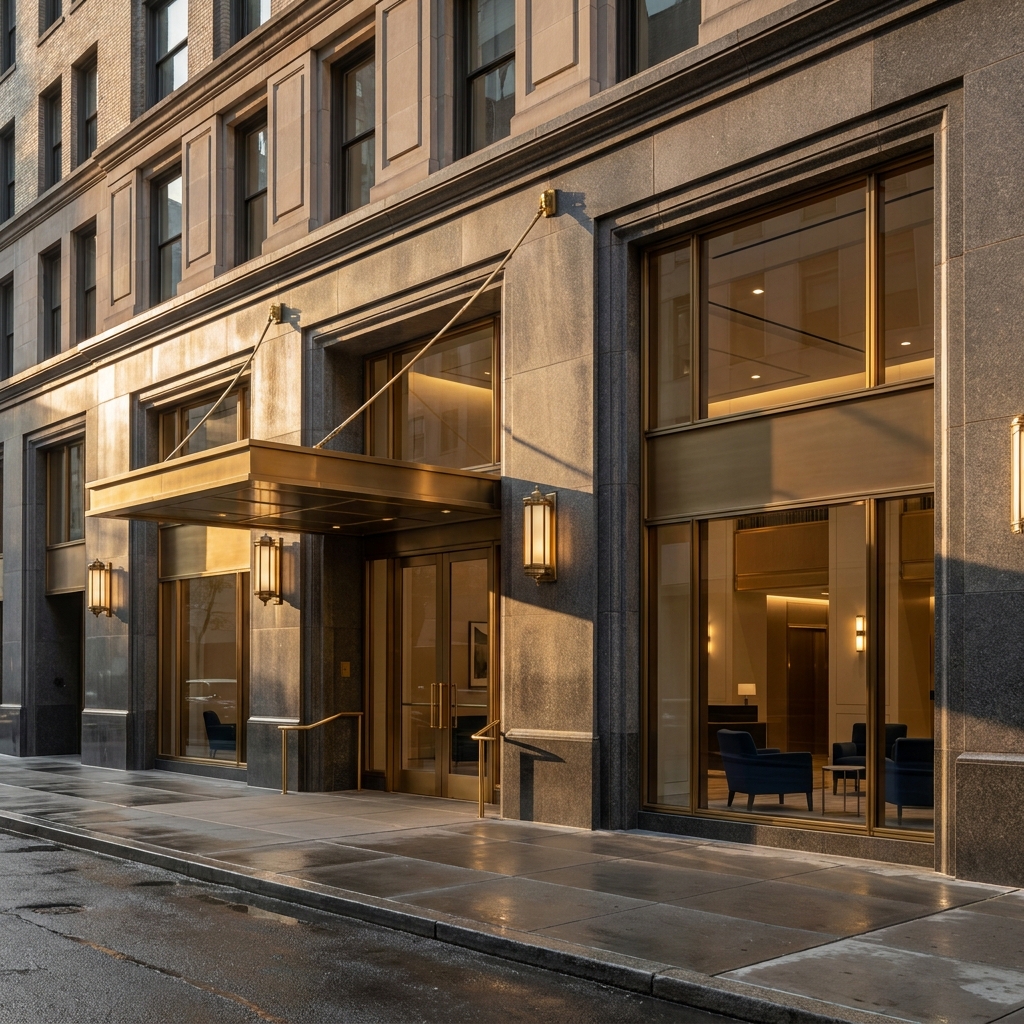
The Madison Avenue corridor in Midtown Manhattan represents a globally recognized concentration of elite medical practice. Building standards, patient discretion protocols, and surgeon caliber converge in this specific geography in ways that simply do not replicate elsewhere. When a practice sustains a presence on Madison Avenue, it signals financial stability, patient volume, and reputation sufficient to justify premium real estate costs.
The scale of the problem driving patients to seek hair restoration is substantial. Androgenetic alopecia affects an estimated 50 million men in the United States alone. Moderate to severe prevalence reaches 53% among men in the 40 to 49 age group. For the professional demographic, this is not a niche concern. It is a near-universal reality.
This article operates on a clear thesis: proximity to Madison Avenue serves as a reliable proxy for clinical credibility, surgical excellence, and the discreet, personalized experience that discerning patients should demand. The framework proceeds from geography to building and practice standards, then to surgeon credentials, procedural outcomes, and finally to how Hair Doctor NYC exemplifies this standard in practice.
The Madison Avenue Medical Corridor: What the Address Actually Signals
Midtown Manhattan’s Madison Avenue has become a self-selecting environment for elite medical practices. Premium real estate costs filter out undercapitalized operators, leaving only practices with the patient volume, reputation, and financial stability to sustain a presence. This is not accidental. It is structural.
The global hair restoration services market is valued at approximately USD 8.19 billion in 2026, projected to reach USD 12.52 billion by 2031. Within this booming sector, the gap between elite and mediocre providers is widening, not narrowing. More than 700,000 hair restoration procedures were performed globally in 2024, representing a 16% increase from 2016. The demand is real, and the stakes for choosing correctly are high.
The concentration of board-certified specialists in this specific corridor creates a network effect. Proximity to other top-tier medical practices raises the standard of care, attracts the most credentialed surgeons, and creates a culture of accountability. Surgeons practicing on Madison Avenue operate within a peer environment that does not tolerate mediocrity.
The discretion dimension deserves explicit attention. Madison Avenue practices understand that their patients, including executives, public figures, and professionals, require absolute privacy. Building infrastructure, private entrances, and appointment protocols in this corridor reflect that expectation as standard operating procedure.
The risk landscape makes this geographic filter even more critical. According to the ISHRS 2025 Practice Census, 59% of ISHRS member surgeons reported black-market hair transplant clinics operating in their cities in 2024, up from 51% in 2021. A Madison Avenue address functions as a structural barrier against this category of risk.
For the Midtown professional, practical advantages compound the quality signal: proximity to major transit hubs, same-week consultation availability, weekend procedure options, and the ability to return to work within days.
The Risk of Getting This Wrong: Repair Procedures and the Black-Market Surge
The sophisticated patient thinks in terms of downside protection. The risk of a failed hair restoration procedure is not hypothetical. It is documented and rising.
The ISHRS 2025 Practice Census reports that repair procedures climbed to 6.9% of all hair transplantation cases in 2024, up from 5.4% in 2021. This increase is largely driven by botched work from unqualified or overseas providers.
A repair procedure is not a simple correction. It involves addressing unnatural hairlines, removing plug-like grafts, managing donor area depletion, and correcting visible scarring. These procedures are more complex, more expensive, and less predictable than a primary procedure performed correctly the first time.
For the high-net-worth professional, the cost of a failed procedure extends beyond the financial. The reputational, psychological, and time costs of a visible, unnatural result are significant. A poorly executed hairline is not something that can be hidden in a boardroom.
Choosing a board-certified surgeon on Madison Avenue represents the single most effective risk-mitigation strategy available. Graft survival rates reach 90 to 97% when performed by experienced surgeons. Surgeon quality is not a marginal factor. It is the determining factor.
What to Demand From Any Hair Restoration Clinic Near Madison Avenue
The same rigor applied to selecting a financial advisor or legal counsel should apply to selecting a hair restoration surgeon. This is a due-diligence process, not a shopping exercise.
Surgeon Credentials: The Non-Negotiable Starting Point
Board certification is non-negotiable. Specifically, double board certification in facial plastic surgery and hair restoration indicates the highest level of credentialed training available.
The difference between a board-certified facial plastic surgeon performing hair restoration and a general practitioner or technician-led clinic is substantial. Double board certification signals that the surgeon has met the most rigorous independent standards in two overlapping disciplines: facial aesthetics and reconstructive surgery. This training directly informs hairline design, graft placement, and long-term aesthetic harmony.
Procedure volume matters. A surgeon who has performed 6,000 or more successful hair transplant procedures has encountered and resolved the full spectrum of complications, donor area challenges, and aesthetic variables. A lower-volume practitioner has not.
Dedicated specialization is a further differentiator. A surgeon who has spent 18 years exclusively focused on hair transplantation possesses a depth of pattern recognition that a generalist cannot replicate.
Prospective patients should ask specifically about the surgeon’s personal case volume, not the clinic’s aggregate volume, and request before-and-after results stratified by hair loss stage using the Norwood scale. Understanding hair transplant surgeon credentials before committing to any provider is an essential step in this due-diligence process.
Technique Breadth: Why a Full-Spectrum Practice Outperforms a Single-Method Clinic
FUE (Follicular Unit Extraction) now dominates the market, accounting for 85.4% to 87.3% of all male hair restoration procedures in 2024 and 2025. The technique’s minimal scarring and faster recovery make it the default choice for many patients. However, FUE is not universally optimal.
FUT (Follicular Unit Transplantation) remains the superior choice for patients requiring maximum graft yield and dense coverage, particularly in advanced hair loss cases. A clinic that only offers FUE is limiting its patients’ options based on the clinic’s technical capabilities rather than the patient’s clinical needs. Understanding the FUE vs FUT hair transplant distinction is critical before selecting a treatment path.
The average first-time procedure in 2024 required 2,347 grafts. Patients with more advanced loss may require significantly more, making FUT’s higher yield capacity clinically relevant.
Non-surgical options including Scalp Micropigmentation (SMP) and emerging pharmacological treatments should be available within the same practice. This allows for a comprehensive, staged treatment plan rather than a one-size-fits-all surgical approach.
Facial hair restoration, including beard, mustache, sideburn, and jawline transplants, is a growing subspecialty requiring the same precision and artistic judgment as scalp restoration. This capability distinguishes full-service practices from narrow-focus operators.
The Consultation Standard: What a Premium Practice Does Differently
According to industry data, 72% of prospective hair transplant patients now request an online consultation before committing to any provider. A premium Madison Avenue practice should offer this as a standard first step.
A genuine consultation at a top-tier practice involves comprehensive scalp analysis, hair density mapping, donor area assessment, and a frank discussion of realistic outcomes based on the patient’s specific hair loss stage and goals. This is diagnostic work, not a sales presentation.
Personalized post-operative care protocols are not optional. Data indicates that clinics offering personalized post-operative care see 43% better outcomes. Prospective patients should ask specifically what the post-procedure follow-up protocol looks like and who delivers it.
A practice that pressures toward immediate surgical commitment without a thorough diagnostic workup is a red flag, regardless of its address.
Hair Doctor NYC: The Madison Avenue Standard in Practice
Hair Doctor NYC, operating as Stoller Medical Group, exemplifies the Madison Avenue standard outlined in the preceding sections. The practice’s tagline, “Excellence Meets Elegance,” describes precisely what the address demands: surgical excellence delivered within an environment that matches the expectations of a discerning, high-net-worth patient.
The practice’s state-of-the-art Midtown Manhattan facility on Madison Avenue is a physical expression of these standards. It is purpose-built for both procedural precision and patient discretion.
The Medical Team: Credentials That Justify the Address
Dr. Roy B. Stoller serves as the lead physician. He is double board-certified and globally recognized as a leader in facial plastic surgery and hair restoration. With more than 25 years of experience and more than 6,000 successful hair transplant procedures, Dr. Stoller represents the procedure volume and credential depth that separates a premier practice from a merely competent one.
Dr. Louis Mariotti is a double board-certified facial plastic surgeon with a specialized focus on surgical detail and facial harmony. This competency is critical for hairline design that integrates with the patient’s overall facial aesthetics.
Dr. Christopher Pawlinga has dedicated 18 years exclusively to hair transplantation. Exclusive specialization of this duration is rare and represents a depth of pattern recognition and technical refinement that a generalist surgeon cannot match.
Michael Ferranti, P.A. is a licensed SMP specialist with more than 25 years of experience in aesthetic dermatology and plastic surgery. His presence ensures that non-surgical options are delivered with the same level of expertise as surgical procedures.
The team-based model is itself a differentiator. Unlike single-practitioner clinics where patient outcomes depend entirely on one surgeon’s availability and condition, Hair Doctor NYC’s multi-specialist structure provides redundancy, peer review, and complementary expertise. Patients can learn more about the hair transplant surgical team experience that underpins this approach.
Procedures Offered: A Full-Spectrum Approach to Hair Restoration
FUE at Hair Doctor NYC is minimally invasive with no linear scarring and quick recovery. It is ideal for patients who prefer shorter hairstyles or cannot tolerate extended downtime, directly aligned with the lifestyle demands of the target professional demographic.
FUT provides maximum graft yield for patients with advanced hair loss or those requiring dense coverage. The practice’s ability to offer both FUE and FUT means the treatment plan is determined by the patient’s clinical needs, not the clinic’s technical limitations.
Scalp Micropigmentation (SMP) offers a non-surgical option using medical-grade pigments to create the visual appearance of hair follicles. This is appropriate for patients who are not surgical candidates or who wish to complement a transplant result. The scalp micropigmentation with hair transplant combination is an increasingly popular approach for comprehensive coverage.
Facial Hair Restoration includes beard, mustache, sideburn, and jawline transplants using advanced FUE techniques. This growing service category requires the same artistic judgment and technical precision as scalp restoration.
The comprehensive range means a patient can receive an integrated, multi-modality treatment plan under the care of a single, coordinated team.
The 2026 Treatment Landscape: What a Forward-Looking Madison Avenue Practice Should Know
A sophisticated patient should bring current intelligence to any consultation. This also serves as a test of whether a clinic is genuinely at the forefront of the field.
Clascoterone 5% topical solution completed Phase 3 trials in December 2025 with up to 539% relative improvement in hair count versus placebo. If approved, it would be the first new mechanism for androgenetic alopecia in 30 years.
JAK inhibitors now include three FDA-approved options for severe alopecia areata: baricitinib (Olumiant), ritlecitinib (Litfulo), and deuruxolitinib (Leqselvi). These expand non-surgical options at full-spectrum medical practices.
Pelage Pharmaceuticals’ PP405 showed 31% of men with advanced baldness achieving greater than 20% hair density increase in Phase 2a trials. Phase 3 trials initiated in 2026 with potential FDA approval between 2027 and 2029.
A top-tier Madison Avenue practice should discuss this pipeline fluently. A patient’s treatment plan should be designed with awareness of what will be available in 12 to 36 months.
The Demographics of Hair Loss in 2026: You Are Not Alone, and You Are Not Too Young
Many men in the 25 to 54 demographic delay action based on a mistaken belief that hair restoration is for older men. The data contradicts this assumption entirely.
The ISHRS 2025 Practice Census found that 95% of first-time hair restoration surgery patients in 2024 were between the ages of 20 and 35. This dramatic demographic shift reframes hair restoration as a proactive, career-stage-appropriate decision rather than a last resort.
Approximately 85% of men will experience some form of hair loss in their lifetime. For the high-net-worth professional, acting at an earlier hair loss stage typically produces superior results: more donor hair is available, the hairline design is less constrained, and the overall aesthetic outcome is more natural.
The psychosocial dimension is real and legitimate. Hair loss has documented associations with reduced self-confidence and professional self-perception. Addressing it proactively is consistent with the same investment mindset applied to physical fitness, wardrobe, and professional development.
Practical Considerations: What to Expect When Choosing a Madison Avenue Clinic
Hair transplant costs in NYC in 2025 and 2026 typically range from $5,000 to $20,000 or more, with per-graft pricing between $4 and $13 for standard procedures and up to $15 to $20 per graft at elite practices. Manhattan clinics charge the highest rates in the country. This reflects overhead, surgeon caliber, and the premium patient experience. Detailed FUE hair transplant NYC pricing information can help prospective patients benchmark what to expect at a top-tier practice.
The cost should be framed as a risk-adjusted investment. The cost of a repair procedure, financially, temporally, and aesthetically, far exceeds the premium paid for a correctly executed primary procedure by a board-certified surgeon.
Recovery timeline is favorable for the executive demographic. Most patients at a premium FUE practice return to normal professional life within days. A Madison Avenue practice understands this and structures its protocols accordingly.
Discretion protocols are standard at practices serving high-profile patients. From appointment scheduling to post-procedure follow-up, privacy is not a luxury. It is an expectation.
Conclusion: The Address Is the Standard
For the high-net-worth professional evaluating hair restoration options, the Madison Avenue address is not a geographic convenience. It is a quality signal that correlates with surgeon caliber, procedural outcomes, patient discretion, and the full-spectrum medical infrastructure that a comprehensive treatment plan requires.
The key selection criteria are clear: double board certification, procedure volume, technique breadth, consultation rigor, post-operative care protocols, and awareness of the evolving treatment landscape.
Hair Doctor NYC meets all of these criteria. The practice offers a team of double board-certified surgeons with more than 6,000 procedures, comprehensive FUE, FUT, and SMP capabilities, and a state-of-the-art Madison Avenue facility built for the discerning patient.
The hair restoration landscape is evolving rapidly. The right practice is one that will be a long-term partner in that evolution. Acting at an earlier stage of hair loss, with the right surgeon, in the right environment, produces the best outcomes. The Madison Avenue address is where that standard is most reliably found.
Schedule a Consultation at Hair Doctor NYC
The next step is straightforward. Schedule a consultation at Hair Doctor NYC on Madison Avenue.
With 72% of prospective patients now beginning with an online consultation, this option is available as a frictionless first step requiring no commitment and providing immediate, expert guidance.
The value proposition is clear: a team of double board-certified surgeons, more than 6,000 successful procedures, and a state-of-the-art Madison Avenue facility representing the standard the address demands.
Visit hairdoctornyc.com to schedule an in-person or virtual consultation. The consultation itself is a demonstration of the practice’s standard. Prospective patients should expect a thorough, personalized assessment, not a sales process.