

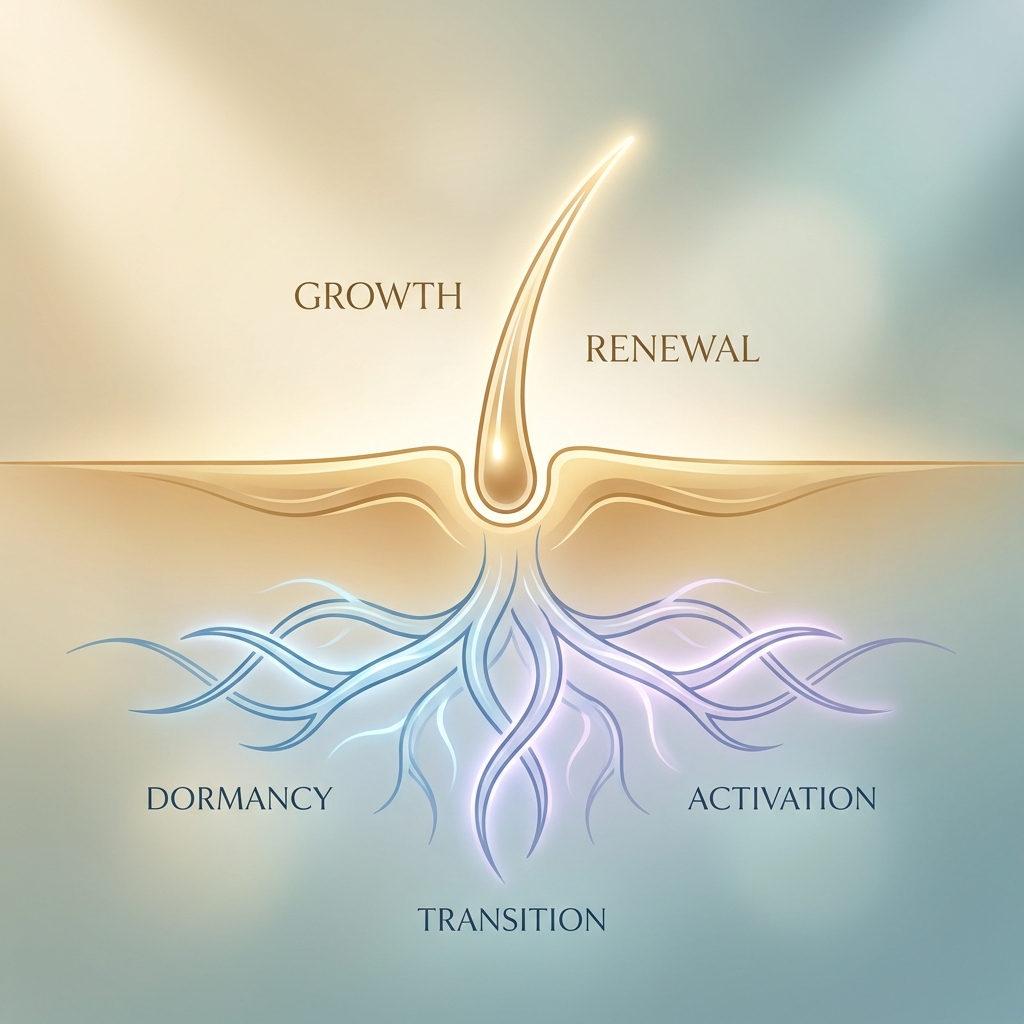
Why Does Transplanted Hair Fall Out at First: The Two-Phase Shedding Science
Introduction: The Moment Every Hair Transplant Patient Dreads
The scenario unfolds with alarming predictability. A patient invests in a premium hair restoration procedure, follows every post-operative instruction meticulously, and then watches in dismay as their newly transplanted hair begins falling out during weeks two through four. The immediate assumption: something has gone terribly wrong.
Understanding why transplanted hair falls out at first requires moving beyond surface-level reassurance into the actual biology of follicular adaptation. The core truth is this: shedding is nearly universal, affecting 80 to 95 percent of hair transplant patients, and represents a biological process rather than graft failure.
What most patient education materials fail to explain is that post-transplant shedding is not a single event. It comprises two distinct biological mechanisms with different causes, timelines, and affected hair populations. The first mechanism, anagen effluvium, occurs during weeks two through four and results from ischemia (temporary blood supply interruption). The second mechanism, telogen effluvium, peaks around months two through three as a systemic stress response. Additionally, a third phenomenon that rarely receives adequate attention is donor area shock loss, where native hairs near the extraction site also shed.
This article is written for the sophisticated patient who seeks genuine understanding of the biology, not merely generic reassurance that everything will be fine.
The Fundamental Biology: What Actually Falls Out (And What Doesn’t)
The most critical distinction in post-transplant recovery is one that provides immediate relief once understood: it is the hair shaft that falls out, not the follicle. The root remains alive and anchored beneath the scalp, preparing to produce new hair.
Human hair follows a four-phase growth cycle:
- Anagen (Active Growth): Lasting 2 to 6 years, this is when the follicle actively produces hair.
- Catagen (Transition): A brief transitional phase lasting a few weeks.
- Telogen (Resting): Approximately 100 days of dormancy.
- Exogen (Shedding): The natural release of the hair shaft.
Surgical trauma forces follicles prematurely into the telogen and exogen phases. Consider the analogy of a transplanted plant: when relocated to new soil, the plant drops its leaves while its root system adapts to the new environment. The follicle behaves similarly, shedding the hair shaft while re-establishing vascular connections in its new location.
Modern FUE techniques achieve graft survival rates of 85 to 95 percent in clinical literature. The follicle itself is almost certainly intact. Furthermore, approximately 5 percent of patients experience what clinicians call “immediate growth,” where transplanted hair continues growing without any shedding phase. Whether a patient sheds or not has no bearing on the final outcome, and both outcomes fall within normal parameters.
Phase One: Anagen Effluvium (Weeks 2 to 4) and the Ischemia Response
Anagen effluvium describes shedding that occurs while the follicle remains in its active growth phase, triggered by a sudden physiological insult. In the context of hair transplantation, that insult is ischemia.
During graft extraction and implantation, follicles are temporarily severed from their blood supply and oxygen. This vascular compromise signals the follicle to halt active growth and eject the hair shaft as a protective mechanism. The timeline is predictable: this phase typically manifests between weeks two and four post-surgery.
The statistics can sound alarming without proper context. During this phase, 70 to 90 percent of transplanted hair shafts may fall out. This figure represents the normal range, not a complication.
Advanced techniques have evolved specifically to minimize this response. Sapphire FUE and DHI methodologies employ finer blades that reduce vascular damage, potentially lowering the intensity of this shedding phase. A 2026 comprehensive review in Frontiers in Medicine confirmed that the pathogenesis is multifactorial, involving local trauma, transient vascular compromise, and perifollicular inflammation.
This phase affects primarily the transplanted grafts in the recipient area.
Phase Two: Telogen Effluvium (Months 2 to 3) and the Systemic Stress Response
Telogen effluvium represents a distinct biological event. This diffuse shedding occurs when physiological or psychological stress forces a large number of follicles simultaneously into the resting phase.
The mechanism differs fundamentally from Phase One. The systemic stress of surgery, including inflammation, hormonal shifts, and tissue trauma, can push both transplanted and native hairs into telogen. After the approximately 100-day resting period inherent to this phase, these hairs shed synchronously.
This phase typically peaks around months two through three post-surgery, creating what clinicians refer to as the “ugly duckling” phase. The distinction from Phase One is critical: telogen effluvium affects a different population of hairs (including native hairs in and around the recipient area), occurs via a different mechanism (systemic stress versus local ischemia), and follows a different timeline.
The 2026 Frontiers in Medicine review proposed that post-transplant effluvium may represent a “spectrum of stress-induced shedding with features overlapping both anagen and telogen phases,” acknowledging the scientific complexity. For patients, this phase is most likely to create the perception that overall hair density has worsened since surgery. This perception is temporary.
The Underreported Third Variable: Donor Area Shock Loss
Donor area shock loss receives minimal attention in most patient education materials, yet can be deeply alarming when it occurs.
The mechanism involves existing native hairs near the donor site incisions. These hairs, often already weakened by androgenetic alopecia, react to the trauma of nearby surgical incisions and resulting inflammation. Critically, these are native hairs, not transplanted grafts, and they are particularly vulnerable if already in a miniaturized state due to DHT activity.
The distinction between temporary and permanent donor shock loss matters significantly. The vast majority of cases resolve within months as the follicles recover. Permanent shock loss, which is rare, occurs when incisions directly transect neighboring follicles during graft extraction.
The International Society of Hair Restoration Surgery acknowledges that shock hair loss can occur in almost any patient and typically involves native hairs. Patients who notice thinning at the back of their head post-surgery should understand this as a recognized, documented phenomenon rather than evidence of surgical error.
The Psychological Dimension: The Feedback Loop Most Content Ignores
The ugly duckling phase represents the documented psychological low point of the recovery journey. The recipient area may appear sparser than before surgery due to combined shedding of transplanted and native hairs.
A physiological feedback loop compounds the challenge: psychological stress is itself a documented trigger for telogen effluvium. Anxiety about shedding can physiologically worsen the very shedding it causes.
According to the 2025 ISHRS Practice Census, 95 percent of first-time hair restoration patients in 2024 were aged 20 to 35. This demographic carries particularly high cosmetic and social expectations, making shock loss anxiety especially acute. Understanding the unique considerations for hair transplant for young men in their 20s is particularly relevant here.
The emotional response to watching hair fall out after a significant investment is rational, not irrational. Validation matters here. However, the reframe is equally important: the ugly duckling phase is not a setback. It is evidence that the biological process is proceeding on schedule.
Surgeon-patient communication proves decisive. Patients who receive thorough preparation before surgery experience significantly less post-operative distress. This preparation represents a core component of premium hair restoration care.
Risk Factors: Why Some Patients Experience More Shedding Than Others
Understanding risk factors allows patients to contextualize their individual experience and optimize their recovery.
Primary risk factors for more severe shock loss include:
- Younger age (higher DHT activity and more sensitive follicles)
- High-density implantation exceeding 2,000 grafts
- FUT technique versus FUE
- Pre-existing miniaturized hair in the recipient area
Modifiable risk factors include:
- Smoking (impairs vascular recovery)
- Malnutrition (iron, zinc, biotin, and protein deficiencies compromise follicle resilience)
- Poor post-operative care compliance
Patients with significant pre-existing miniaturization face elevated risk because their native hairs are already vulnerable. This consideration applies particularly to the donor area shock loss phenomenon. Younger patients with high androgenetic activity possess more DHT-sensitive follicles, making both transplanted and native hairs more reactive to surgical stress.
What Patients Can Do: Evidence-Based Strategies to Minimize Shedding
Evidence-based interventions can meaningfully influence the shedding phase and subsequent recovery.
Finasteride: Clinical data indicates that starting finasteride before surgery and continuing post-operatively can reduce the shock loss period by approximately 30 percent. A randomized, double-blind, placebo-controlled study demonstrated that 94 percent of finasteride patients showed visible improvement versus 67 percent of placebo patients. The 2025 ISHRS data confirms that finasteride was prescribed by 72.3 percent of ISHRS surgeons post-transplant.
Minoxidil: Beginning approximately 14 days post-surgery, minoxidil after hair transplant can deliver roughly 15 to 20 percent faster regrowth. One study found that early minoxidil use resulted in 71 percent of grafts continuing to grow without entering the shedding phase. Both oral minoxidil (64.7 percent) and topical minoxidil (55.3 percent) were widely prescribed according to 2025 ISHRS data.
PRP (Platelet-Rich Plasma): This therapy can increase hair follicle density per square centimeter by 15 percent and improve graft survival rates. An international expert consensus statement recommends PRP to reduce post-surgical inflammation.
Nutrition: Protein, iron, zinc, and biotin are clinically relevant to follicle resilience and recovery. Deficiencies can worsen shedding severity.
A 2025 network meta-analysis found that the finasteride plus minoxidil combination is the most efficacious treatment for male androgenetic alopecia, resulting in a 29.68 hairs per square centimeter density increase after 24 weeks.
These interventions should be discussed with and prescribed by the treating surgeon rather than self-administered.
The Recovery Timeline: What to Expect Month by Month
A concrete framework helps patients navigate recovery with appropriate expectations.
Weeks 1 to 2: Initial healing occurs as grafts anchor. Minimal visible shedding.
Weeks 2 to 4: Anagen effluvium phase begins. The first wave of shedding occurs as ischemia-affected grafts eject their hair shafts. This is the most alarming phase for unprepared patients.
Months 2 to 3: Telogen effluvium phase peaks. The ugly duckling period arrives. Combined shedding of transplanted and native hairs may make the area appear sparser than pre-surgery. This is the psychological low point.
Months 3 to 4: Early regrowth begins as re-vascularized follicles re-enter the anagen phase. Fine, initially colorless hairs emerge.
Month 6: Approximately 40 to 50 percent of the final result becomes visible in terms of thickness, darkness, and texture.
Months 12 to 18: Full results become visible. Transplanted hair grows at approximately 0.8 to 1 centimeter per month, the same rate as native hair. Understanding the FUE hair transplant healing timeline in detail can help patients set accurate expectations throughout this process.
The essential point: shedding does not affect the final outcome. Whether a patient sheds or not has no bearing on the long-term result.
When to Be Concerned: Red Flags That Warrant Contacting the Surgeon
Empowering patients to identify genuine concerns without amplifying anxiety about normal shedding requires clarity about specific red flags.
Red flag 1: No visible regrowth whatsoever after 4 to 6 months post-surgery. Some early regrowth should be detectable by month four.
Red flag 2: Signs of infection, including persistent redness, swelling, discharge, or fever, which can compromise graft survival.
Red flag 3: Large, well-defined bald patches that do not correspond to the normal diffuse shedding pattern.
Red flag 4: Shedding that continues or worsens beyond month four without any signs of regrowth.
Permanent shock loss is distinct from normal, temporary shedding and would manifest as persistent, non-recovering bald patches. A peer-reviewed case study published in PMC confirmed that localized telogen effluvium following hair transplantation resolves without treatment, with both documented patients fully recovering within 10 months.
Open communication with the surgical team serves patients far better than self-diagnosis based on internet research.
Conclusion: Shedding Is Not Failure, It Is Biology in Progress
The two-mechanism framework provides clarity: anagen effluvium (ischemia-driven, weeks 2 to 4) and telogen effluvium (stress-driven, months 2 to 3) are distinct biological events that together constitute the normal post-transplant shedding process.
The follicle survives. The hair shaft falls; the root remains. The shedding phase is evidence of biological adaptation, not procedural failure.
Understanding the biology is itself therapeutic. Patients who comprehend what to expect experience less distress and avoid anxious decisions during the recovery period. Over 4.3 million hair restoration procedures were performed globally in 2024, and the vast majority of patients who experience shedding achieve their full, intended result.
The ugly duckling phase is temporary; the result is permanent.
Ready to Understand Your Hair Restoration Journey Before It Begins?
Hair Doctor NYC, operating as Stoller Medical Group, prepares patients thoroughly so that when shedding occurs, it arrives as an expected, understood, and managed phase rather than a source of fear.
The credentials speak directly to this commitment: Dr. Roy B. Stoller brings 25 years of experience and over 6,000 successful procedures. Dr. Christopher Pawlinga has dedicated 18 years exclusively to hair transplantation. The double board-certified surgical team combines surgical excellence with artistic precision.
Located on Madison Avenue in Midtown Manhattan, Hair Doctor NYC offers a premium, personalized consultation experience for discerning patients who expect excellence.
Prospective patients are invited to schedule a consultation to receive a personalized assessment of candidacy, a frank discussion of expected recovery timeline, and a post-operative protocol designed to minimize shedding and maximize graft survival.
“Excellence Meets Elegance” extends beyond graft placement to encompass every aspect of patient preparation and post-operative care. The consultation represents an opportunity to receive answers from recognized specialists, not a sales interaction.